

Gallery
About
The Salzburg Festival Summer 2026 invites you into a world where music, theatre, and emotion merge into one unforgettable cultural journey. From July 17 to August 30, 2026, the baroque city of Salzburg becomes a living stage, hosting more than a hundred performances across historic venues, where every evening feels like a premiere of beauty itself.
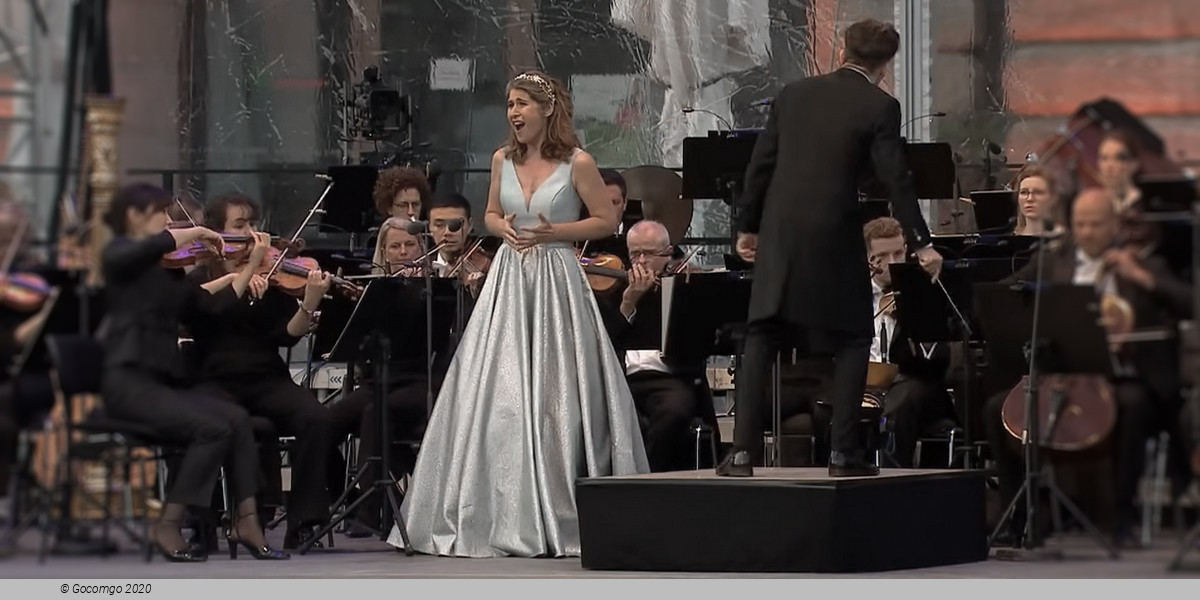
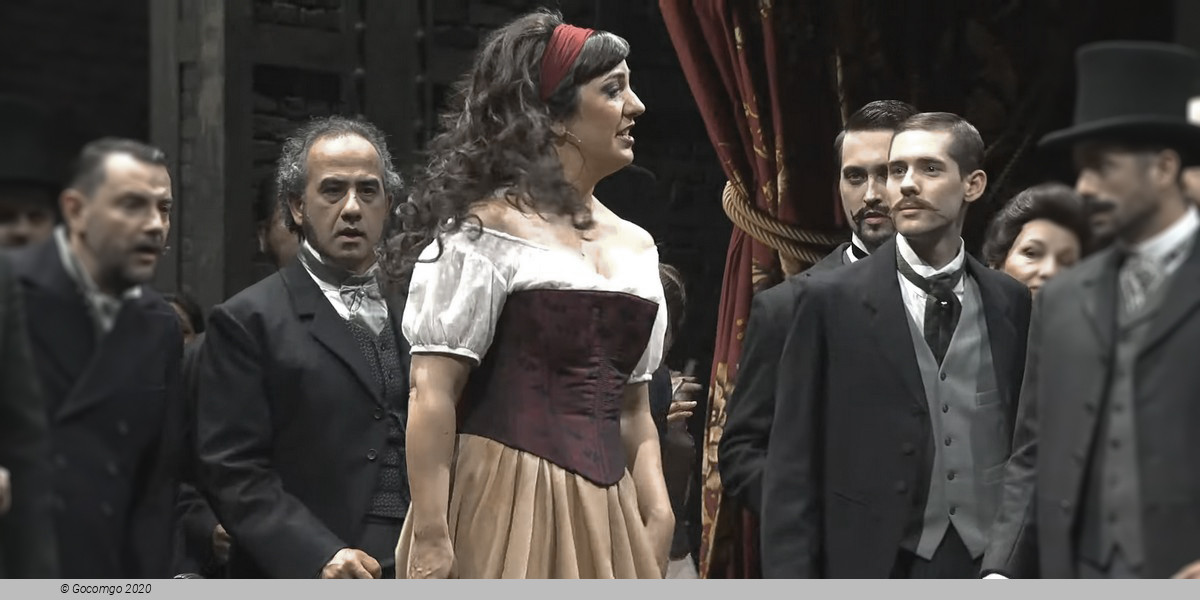
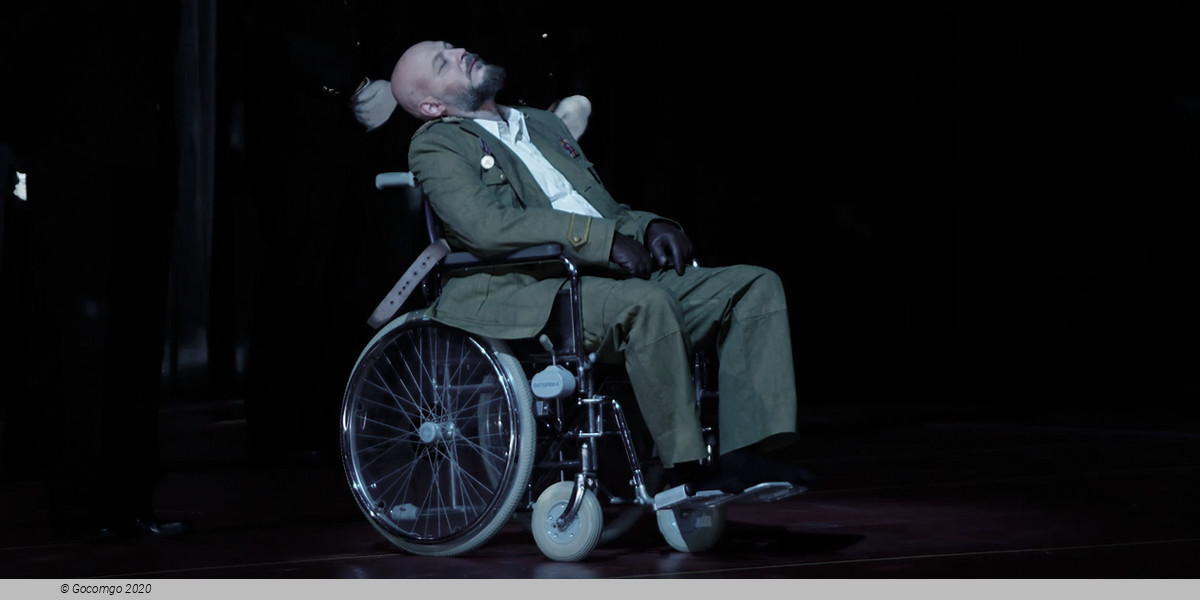
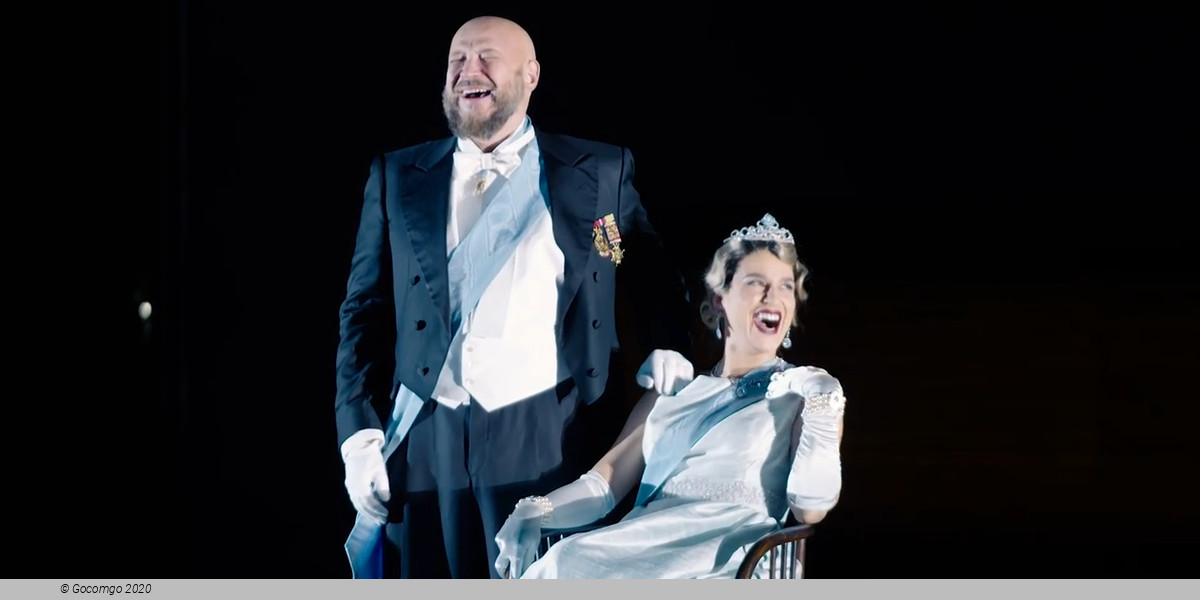
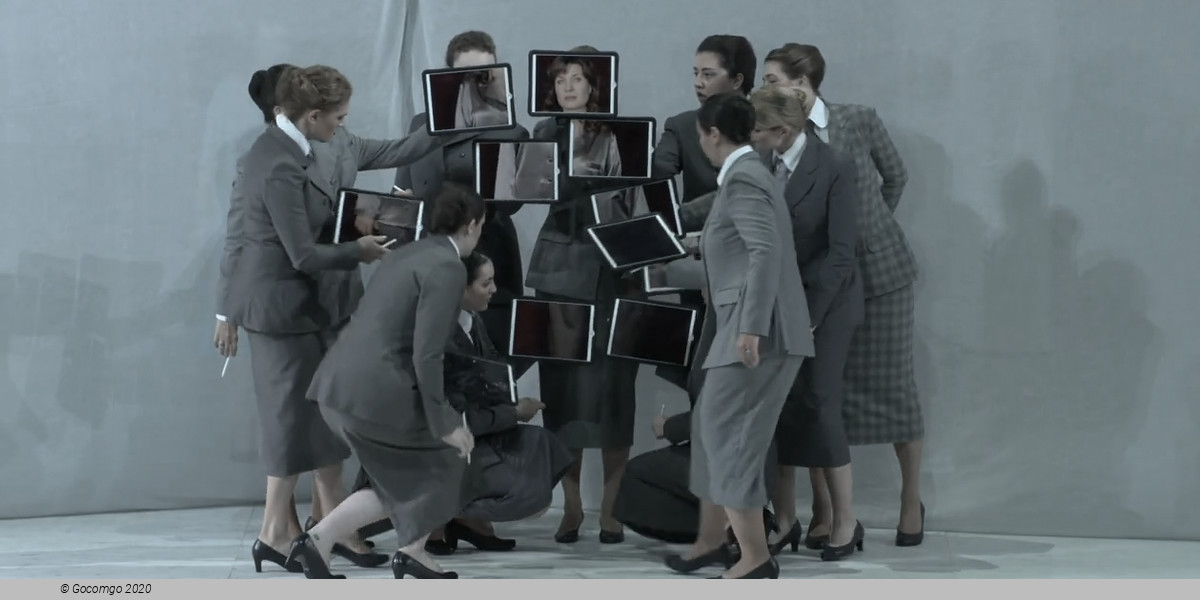
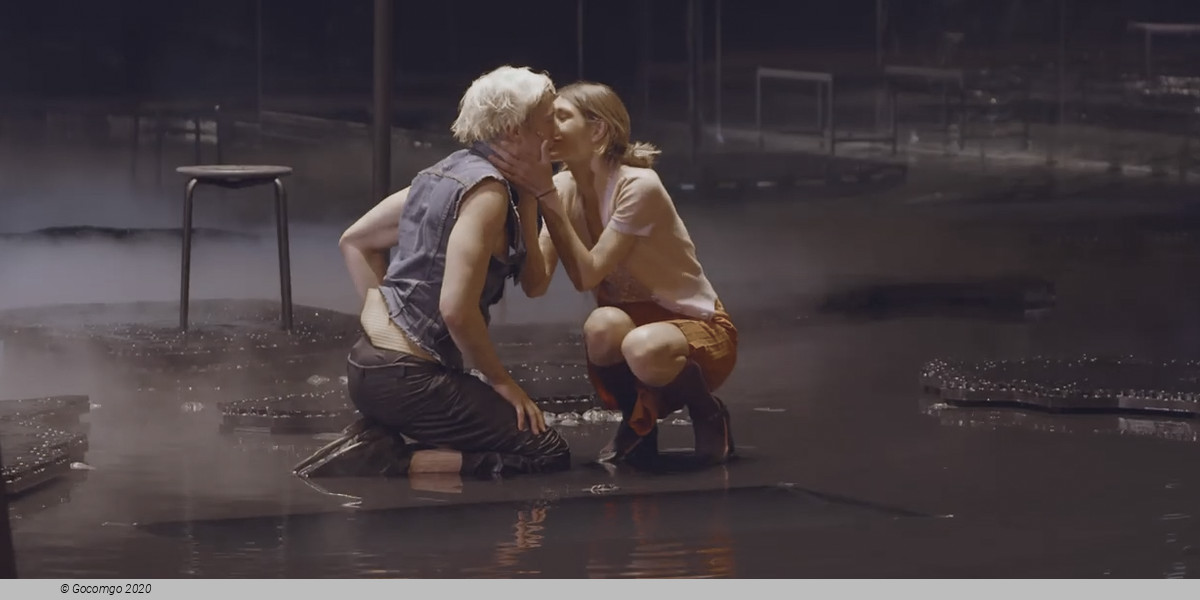
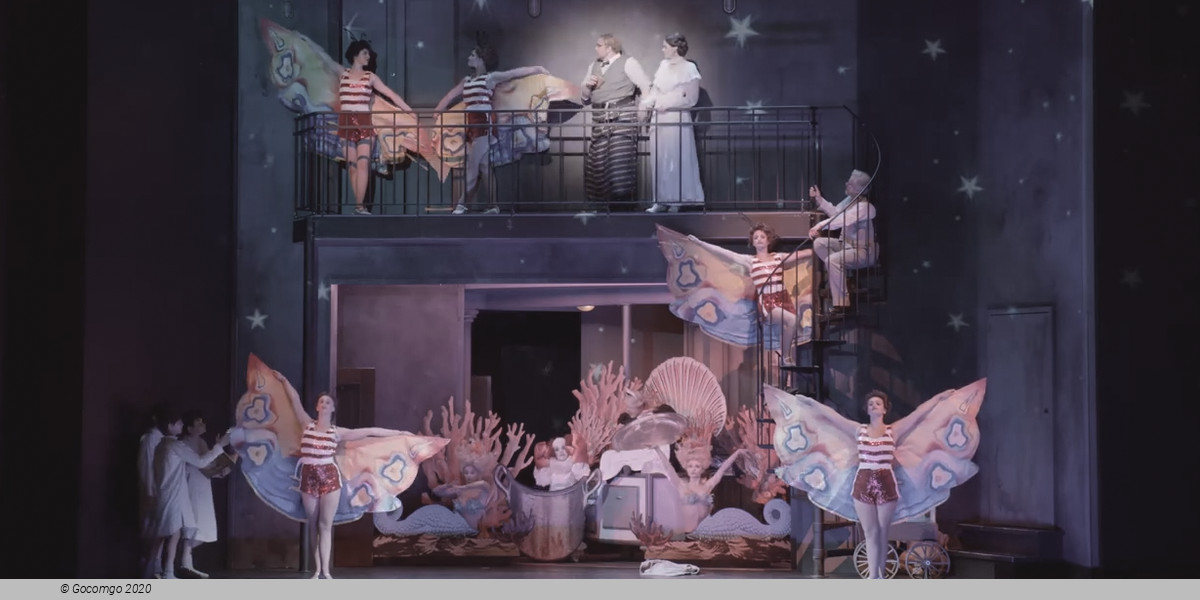
At the heart of the festival lies an exceptional opera program, balancing timeless masterpieces with bold contemporary visions. Audiences will encounter iconic works such as Carmen by Georges Bizet, Werther by Jules Massenet, and Così fan tutte by Wolfgang Amadeus Mozart, alongside rarer gems like Saint François d’Assise by Olivier Messiaen and Il viaggio a Reims by Gioachino Rossini.
Each production is conceived as a visual and emotional statement, where tradition meets daring режиссура and new interpretations раскрывают знакомые сюжеты с неожиданной глубиной.
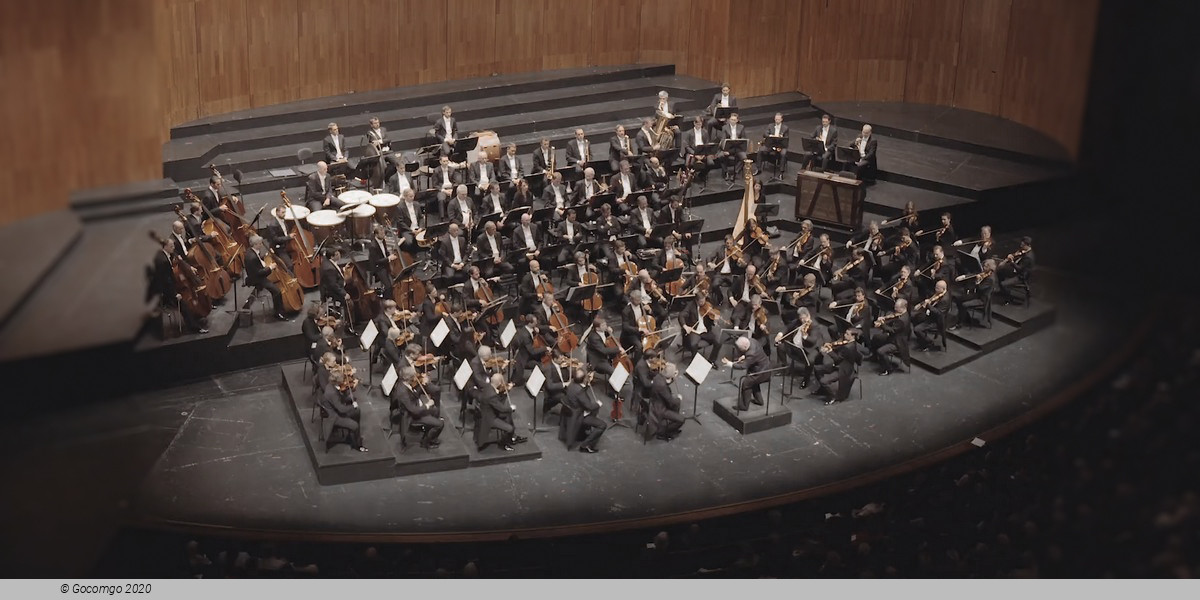
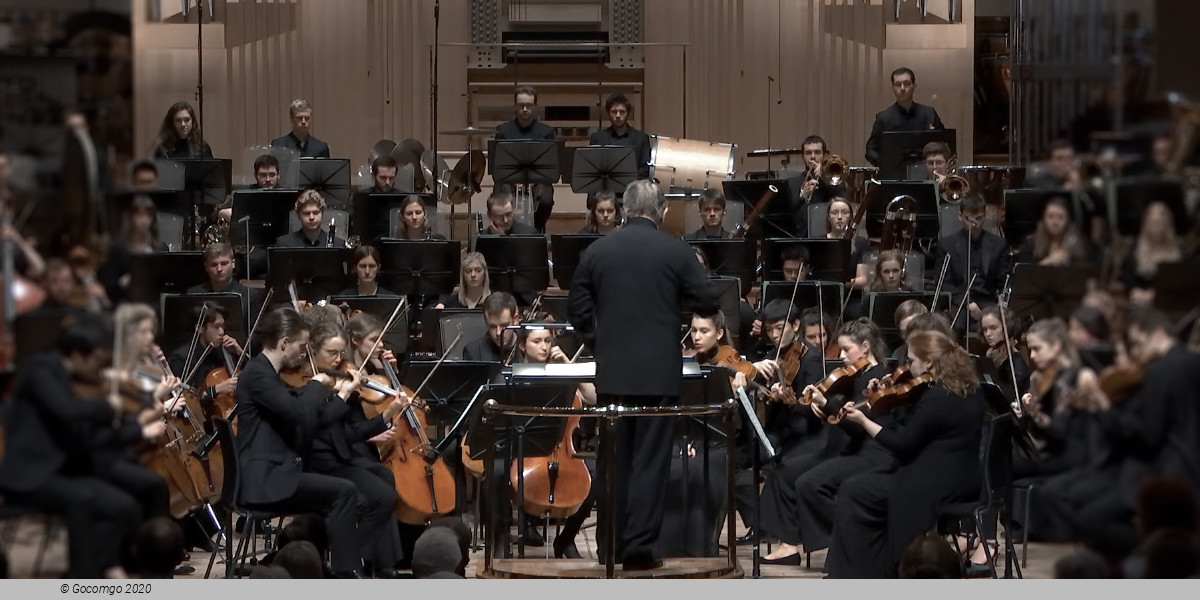
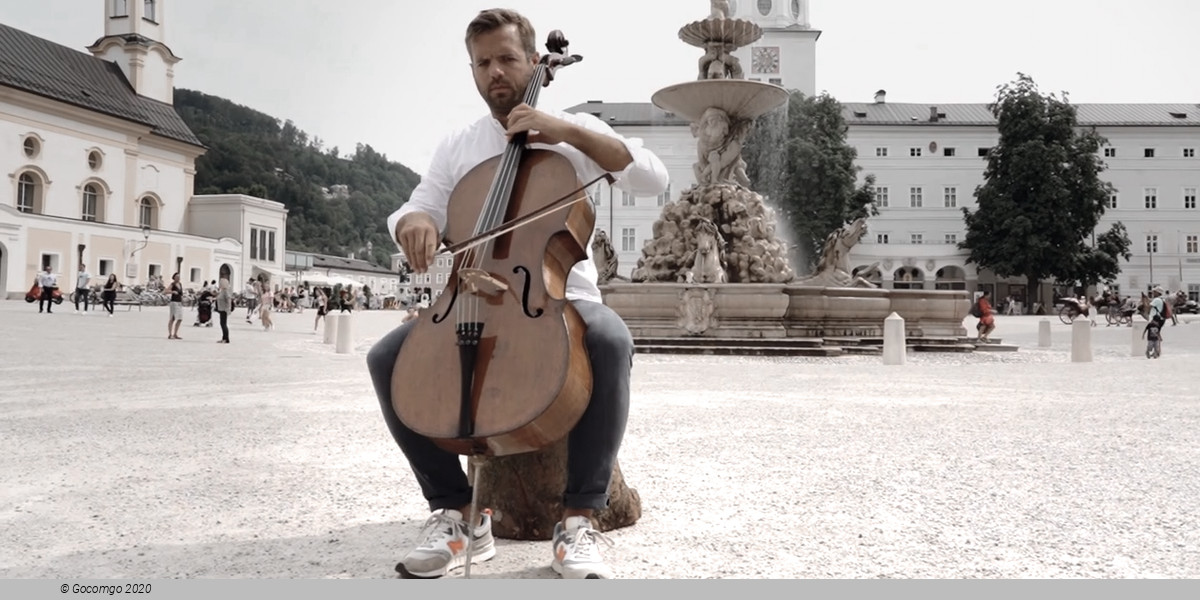
The festival’s concert program is equally magnetic. World-renowned orchestras and conductors bring to life symphonies, concertos, and sacred music — from the intimacy of chamber evenings to monumental performances like Brahms’ Requiem and visionary programmes dedicated to Messiaen and contemporary composers.
Music here does not simply sound — it resonates, reflecting the festival’s 2026 theme of inner journeys, time, and human connection.
What truly elevates the experience is its constellation of top-tier artists. Among the highlights is the celebrated soprano Asmik Grigorian, whose highly anticipated interpretation of Carmen promises both vocal brilliance and dramatic intensity. The legendary Cecilia Bartoli bring vocal artistry of the highest caliber. On the conductor’s podium, visionary maestros such as Teodor Currentzis and Riccardo Muti lead groundbreaking productions, while elite ensembles including the Vienna Philharmonic and international soloists shape a program of rare artistic density.
The Salzburg Festival is more than an event — it is a refined ritual of summer, where elegance, history, and artistic excellence converge. Whether under the open sky or within grand concert halls, every performance becomes a moment suspended in time.
About the Salzburg Festival
The Salzburg Festival was founded more than 100 years ago by Hugo von Hofmannsthal, Max Reinhardt and Richard Strauss, and is a magnet today more than ever. The birth hour of the Salzburg Festival is generally stated as 22 August 1920 when Hugo von Hofmannsthal’s morality play Jedermann was first performed on the Domplatz (Cathedral Square) in the staging by Max Reinhardt. Since that time, the Salzburg Festival has established itself as the most important festival for opera, drama and concerts.

There are three main factors that make the Festival such a success:
First of all, the Salzburg Festival offers a broader artistic program than any other festival: Salzburg features opera, drama and concerts. And in the selection of works and interpretations, it also offers the broadest spectrum from Mozart, the genius loci, to modern works, from classical interpretations to avant-garde experimentation, from Hofmannsthal’s Jedermann to Tchaikovsky’s Eugene Onegin. And only the best and most famous artists from all over the world are invited to Salzburg.

Furthermore, visitors to the Salzburg Festival can combine the enjoyment of art with vacationing. During the daytime, the unique surroundings and the lakes of the Salzkammergut make for wonderful excursions and golfing – in the evening, the Festival beckons with incomparable performances.
And finally, the Salzburg Festival has a very special flair. Salzburg’s Hofstallgasse and the entire Baroque old city center form the Festival’s backdrop.

The origins, however, go back much further. The first opera ever to be performed north of the Alps probably took place in Salzburg. Prestigious presentations of music and theatre were given with great extravagance at the princely and archiepiscopal court in Salzburg; the people were captivated by the many sacred and secular plays. Until Mozart’s time dramas and singspiels were performed at the venerable Salzburg University and enjoyed great public interest; and Salzburg Cathedral had always been the scene of presentations of magnificent church music as well as church festivities which were celebrated with processions.

The dramatic spectrum in Salzburg extends from the mystery and passion plays of the Middle Ages, courtly Baroque festivities to the time when middle-class theatre traditions became established. Wolfgang Amadé Mozart was born on 27 January 1756 into this dense artistic atmosphere. From 1842, when in the presence of the sons of the composer, the Mozart Monument was ceremoniously unveiled, thus also laying the foundation stone for revering the genius loci, the idea was repeatedly mooted of organising regular Mozart music festivals in Salzburg. In 1877 the Wiener Philharmoniker (Vienna Philharmonic) accepted an invitation from the International Mozart Foundation to come to Salzburg for a music festival and performed here for the first time outside Vienna. In 1887 the conductor Hans Richter spoke in the same context in favour of an annual Mozart festival based on the model of Bayreuth.

In 1917, following on from the idea formulated at the end of the 19th century to hold a regular Mozart festival in Salzburg, the association calling itself Salzburg Festspielhaus-Gemeinde was founded thanks to the initiative of Friedrich Gehmacher and Heinrich Damisch in Vienna in order to raise funds for building a festival house. The idea of founding a festival in Salzburg had in the meantime already been taken up by other circles. The poet Hermann Bahr was committed to the idea. Max Reinhardt, who had begun his career at the Salzburg Stadttheater (nowadays the Landestheater) and in 1918 acquired Schloss Leopoldskron, submitted a relevant Memorandum for the Building of a Festival House in Hellbrunn in 1917 in Vienna. In 1919 Hugo von Hofmannsthal published a draft programme for the Salzburg Festival. Thus the festival idea, which had originated on the initiative of the Salzburg middle-class – probably Salzburg’s most successful and sustainable civic initiative – received its intellectual superstructure from its influential protagonists in Vienna.

Thanks to the international charisma of the artists Max Reinhardt brought to Salzburg, and the visions of the founding furthers, als well as the excellent contacts abroad, especially of Max Reinhardt, the Salzburg Festival very quickly became established. “[…] all at once the Salzburg Festival became a world attraction, as it were the Olympic Games of Art in the modern era, in which all nations competed to present their best achievements […].” (Stefan Zweig, Die Welt von Gestern, 1944)

The chequered history of the festival can be described vividly showing the ambivalent features, the breaks and the continuities. Ambivalence is most obvious between the poles of tradition and modern because the Salzburg Festival positioned itself as “an anti-modern product of modernity” (Georg Kreis, Das Festspiel, 1991), in an antagonism of bourgeoisie and progressiveness, conservative Catholicism or rather national new definition and a newly aroused cosmopolitanism, as well as a new orientation with regard to the future (cf. Michael Steinberg, Ursprung und Ideologie der Salzburger Festspiele 1890–1938, 2000). The attempt to bridge this ambivalence between tradition and modern has repeatedly sparked off efforts for the festival idea and also criticism of it.

Initially the festival idea was based on the desire to establish outstanding artistic events of the highest standard in a close relationship with the cultural tradition of Austria, to the genius loci and to the special scenery of a Baroque city. After the turmoil of the First World War and in the general lack of orientation, the founding of the festival was intended to support the creation of a new Austrian identity, whereby by referring back to tradition, a cultural restoration took place. The statements made by the founders of the festival move between these poles: “Organising a musical and theatrical festival in Salzburg means reviving ancient living traditions in a new way; it means: doing things in a new way in ancient, meaningful and exquisite places, what was always done there […].” (Hugo von Hofmannsthal, Festspiele in Salzburg, 1921)

“The festive, holiday-like, unique features that all art has and that even theatre in the time of the Ancient Greeks had and also at the time when it was still in the cradle of the Catholic church, that has to be given back to theatre.” (Max Reinhardt to Ferdinand Künzelmann, 21 July 1918)
By reflecting on the magnificent cultural heritage a platitude of Austrian cultural history and cultural policy is referred to, which does, however, represent an extremely complex phenomenon. Both the interwar years as well as the post-war years are characterised by this phenomenon. Even after the horrors of Nazi atrocities, art and culture served as a catalyst so as to compensate for a reduced national sense of self-esteem.

At the same time the Salzburg Festival was intended as a project against “the crisis, the crisis of meaning, the loss of values, the crisis of identity of the individual human being as well as of entire nations” (Helga Rabl-Stadler). In the middle of the First World War the resolve matured to reconcile the nations who were warring against each other by means of a festival that would give them a unifying aim. That is why peace and the belief in Europe are at the centre of the first “Appeal for a Plan for a Salzburg Festival” (1919), incomparably formulated by Hugo von Hofmannsthal: “Europeanism that fulfilled and enlightened the period from 1750 to 1850.” Which other festival can or must fulfil such a founding mission that is valid for all time?

It is also not by chance that Reinhardt’s and Hofmannthal’s festival idea was sparked off by Salzburg. Far away from the big cities, away from the worries of day-to-day life, the intention was to establish the festival as a place of pilgrimage, theatre as a place of refuge. “The restlessness of our time, the difficulties caused by daily events take on such dimensions in the big city, oppress us and burden us to such an extent that in the evenings we cannot free ourselves of the worries of the day as we would wish. The play as such can neither be presented nor received. In the big city we cannot celebrate true festivities with the heart.” (Max Reinhardt, Festliche Spiele, 1935)

Besides being anti-modern, a feeling of anti-metropolis also characterised this special festival, which was also intended to bring people together as an overall European project. The big wide world was to be brought into the small city, whereby tangible economic and touristic considerations also played a role, resulting in Salzburg becoming stylised as “the heart of the heart of Europe”. The antithetical reality prompted Max Reinhardt to make the memorable statement that the festival should not only be a “luxury good for the rich and saturated but also food for the needy.” (Max Reinhardt, Memorandum, 1917)