Act I
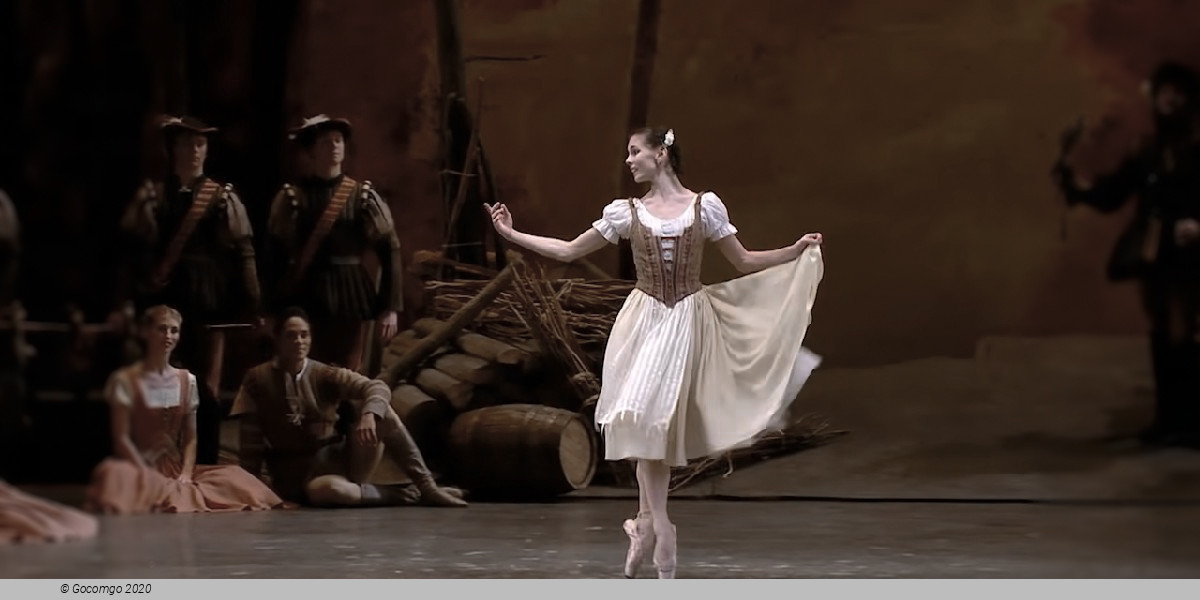
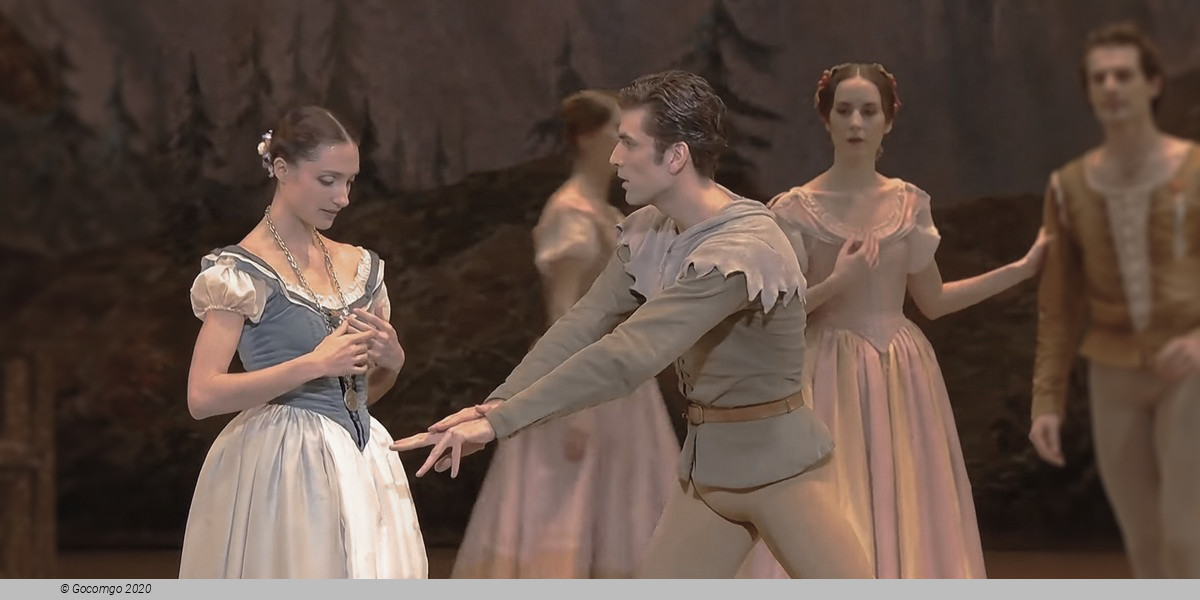
The ballet opens on a sunny autumnal morning in the Rhineland during the Middle Ages. The grape harvest is in progress. Duke Albrecht of Silesia, a young nobleman, has fallen in love with a shy, beautiful peasant girl, Giselle, despite being betrothed to Bathilde, the daughter of the Duke of Courland. Albrecht disguises himself as a humble villager called "Loys" in order to court the enchanting and innocent Giselle, who knows nothing of his true identity. With the help of his squire, Albrecht hides his fine attire, hunting horn, and sword before coaxing Giselle out of her house to romance her as the harvest festivities begin.
Hilarion, a local gamekeeper, is also in love with Giselle and is highly suspicious of the newcomer who has won Giselle's affections. He tries to convince the naive Giselle that her beau cannot be trusted, but she ignores his warnings. Giselle's mother, Berthe, is very protective of her daughter, as Giselle has a weak heart that leaves her in delicate health. She discourages a relationship between Giselle and Loys, thinking Hilarion would be a better match, and disapproves of Giselle's fondness for dancing, due to the strain on her heart.
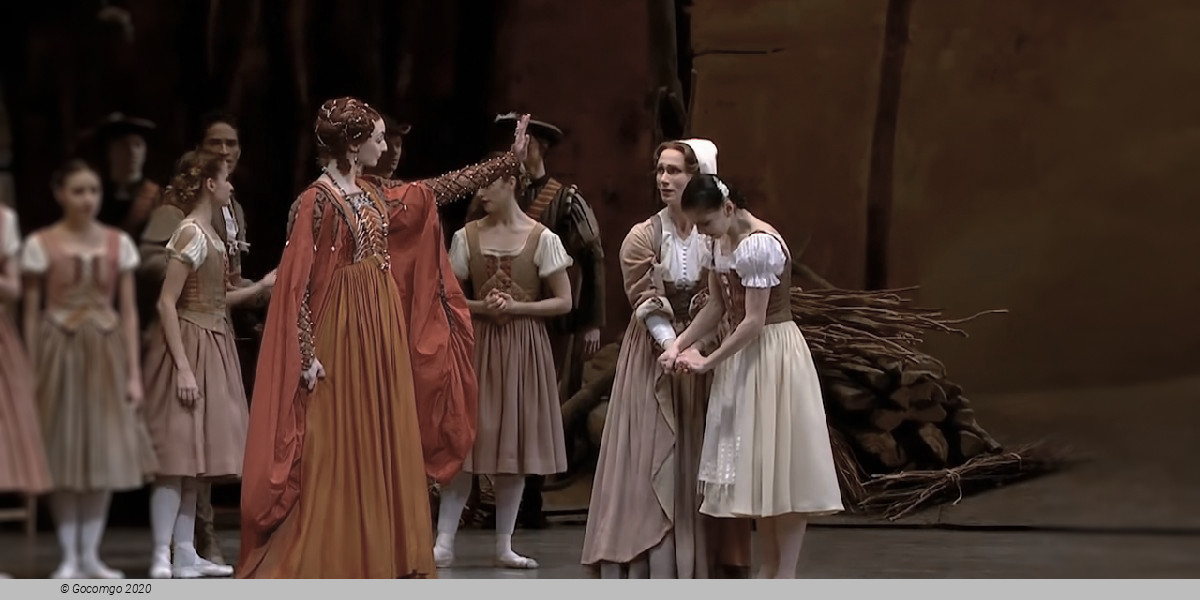
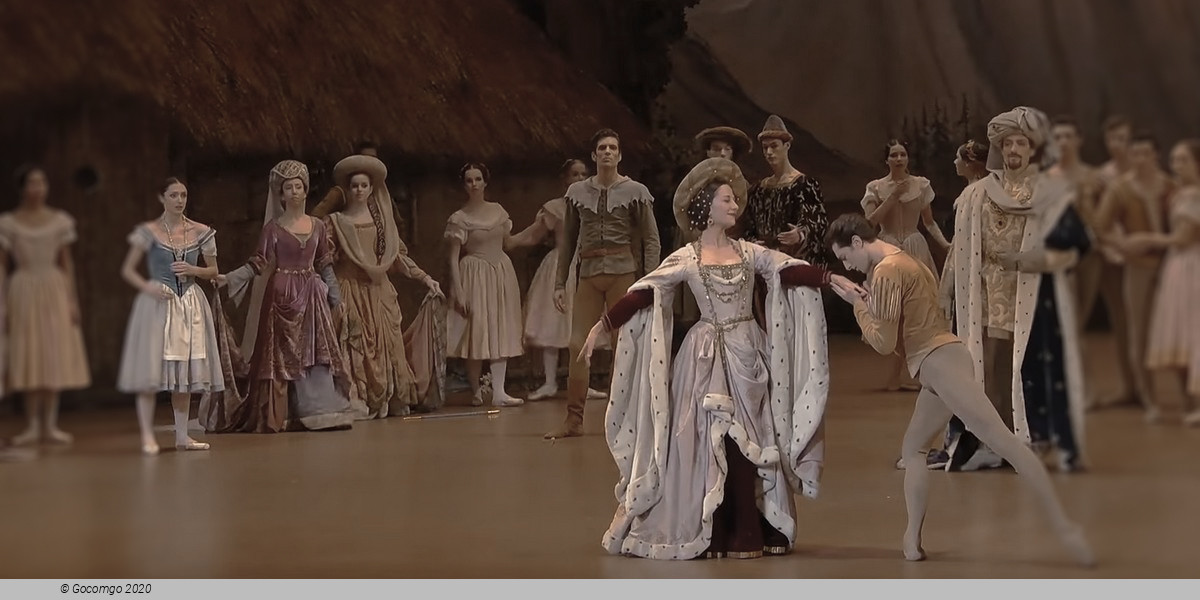
A party of noblemen seeking refreshment following the rigors of the hunt arrive in the village, Albrecht's betrothed, Bathilde, among them. Albrecht hurries away, knowing he would be recognized and greeted by Bathilde, exposing him as a nobleman. The villagers welcome the party, offer them drinks, and perform several dances. Bathilde is charmed with Giselle's sweet and demure nature, not knowing of her relationship with Albrecht. Giselle is honored when the beautiful and regal stranger offers her a necklace as a gift before the group of nobles depart.
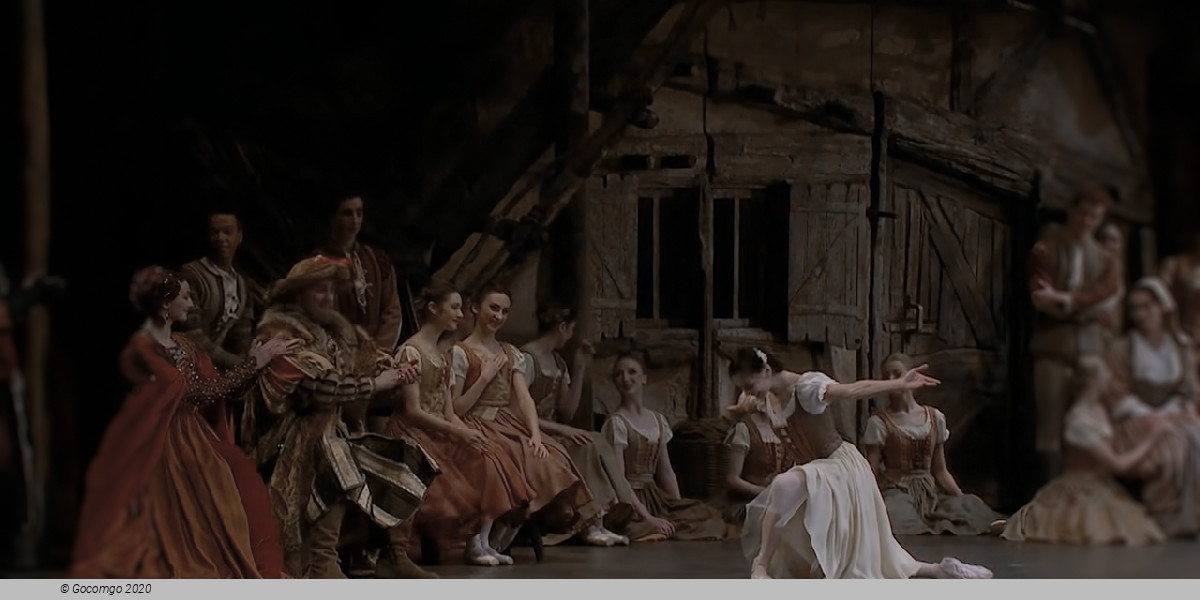
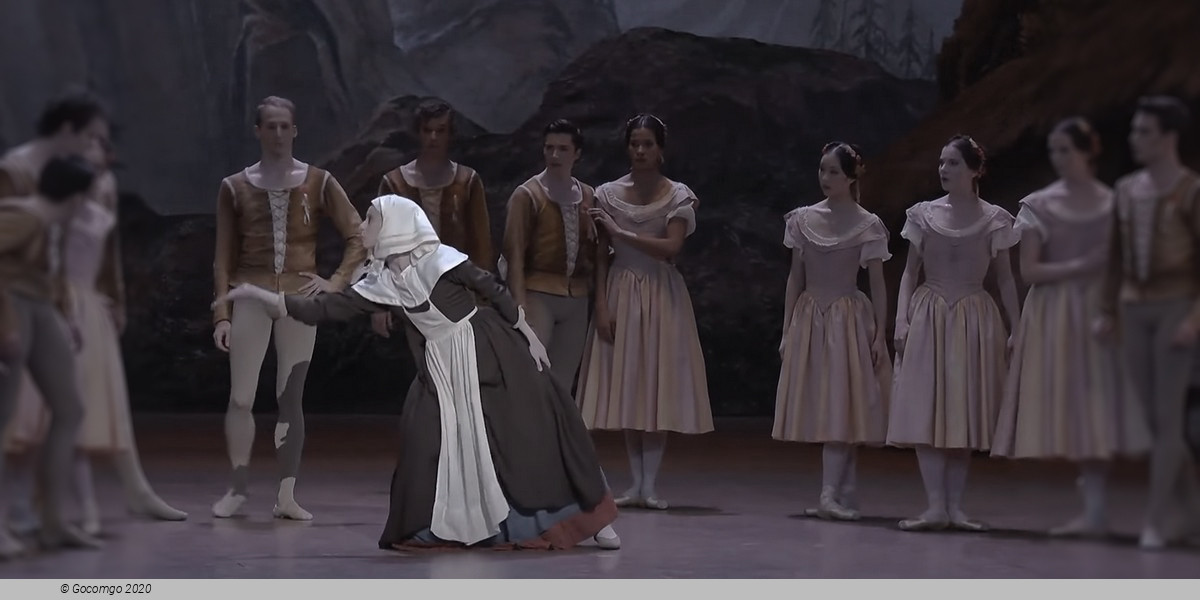
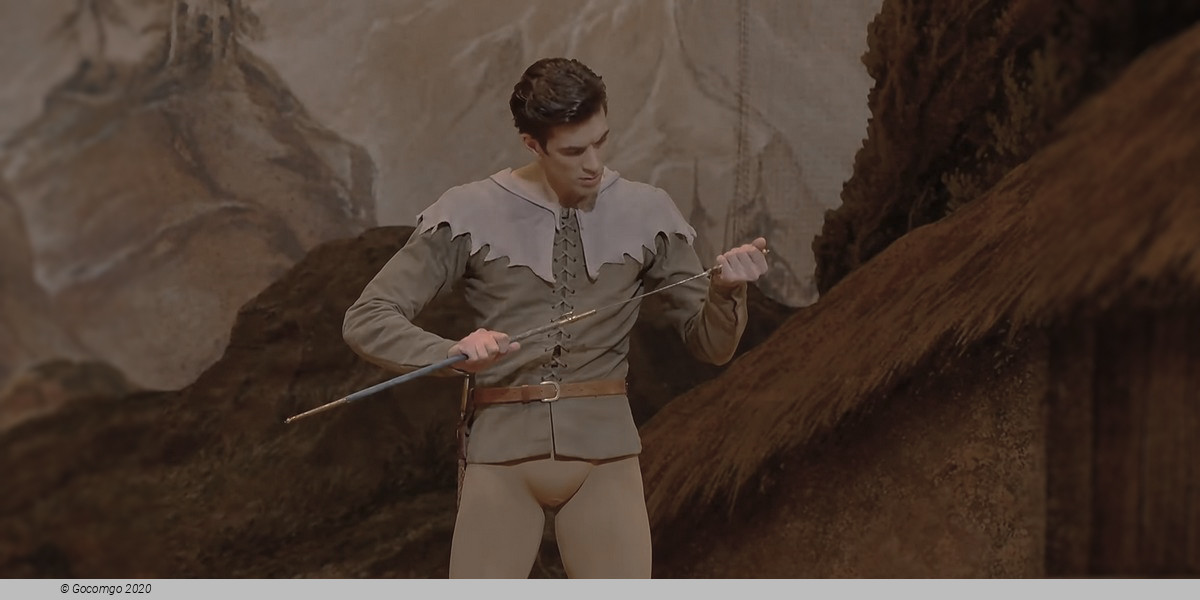
The villagers continue the harvest festivities, and Albrecht emerges again to dance with Giselle, who is named the Harvest Queen. Hilarion interrupts the festivities. He has discovered Albrecht's finely made sword and presents it as proof that the lovesick peasant boy is really a nobleman who is promised to another woman. Using Albrecht's hunting horn, Hilarion calls back the party of noblemen. Albrecht has no time to hide and has no choice but to greet Bathilde as his betrothed. All are shocked by the revelation, but none more than Giselle, who becomes inconsolable when faced with her lover's deception. Knowing that they can never be together, Giselle flies into a mad fit of grief in which all the tender moments she shared with "Loys" flash before her eyes. She begins to dance wildly and erratically, ultimately causing her weak heart to give out. She collapses before dying in Albrecht's arms. Hilarion and Albrecht turn on each other in rage before Albrecht flees the scene in misery. The curtain closes as Berthe weeps over her daughter's body.
In the original version, taken up again recently by a production of the ROB, Giselle stabs herself with Albrecht's sword, which explains why her body is laid to rest in the forest, in unhallowed ground, where the Wilis have the power to summon her. Most modern versions are sanitized and have edited out the suicide.
Act II
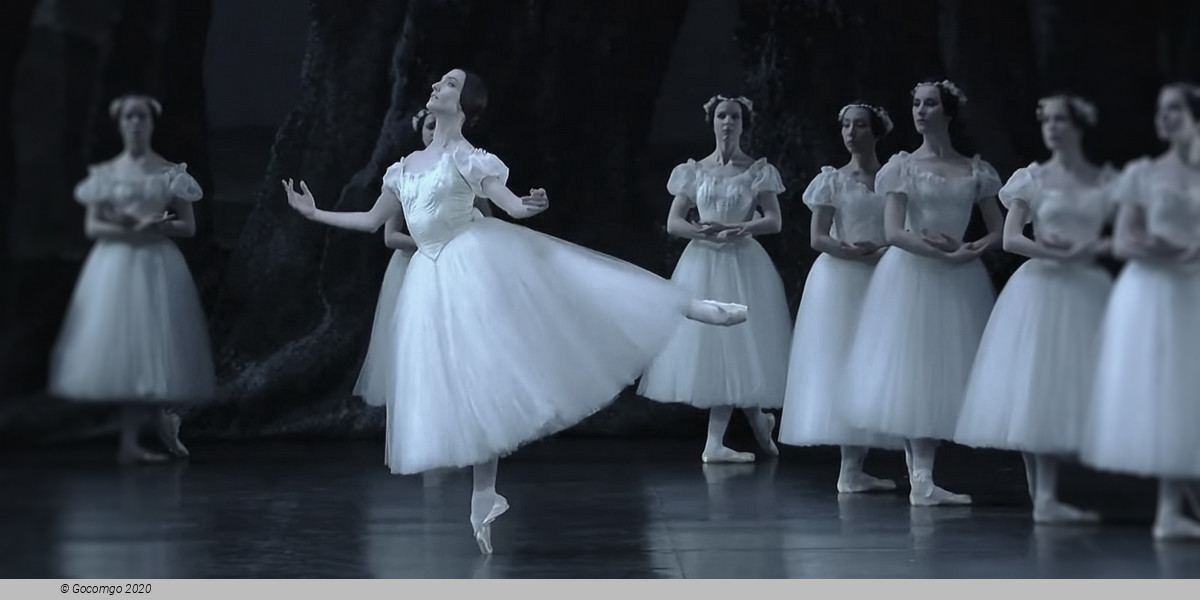
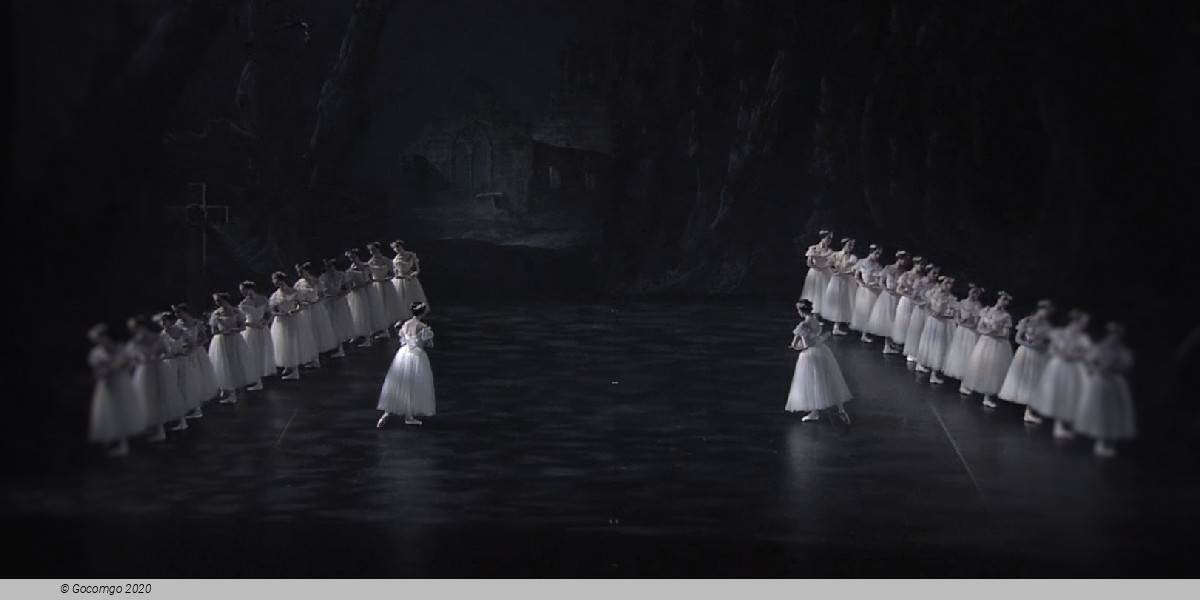
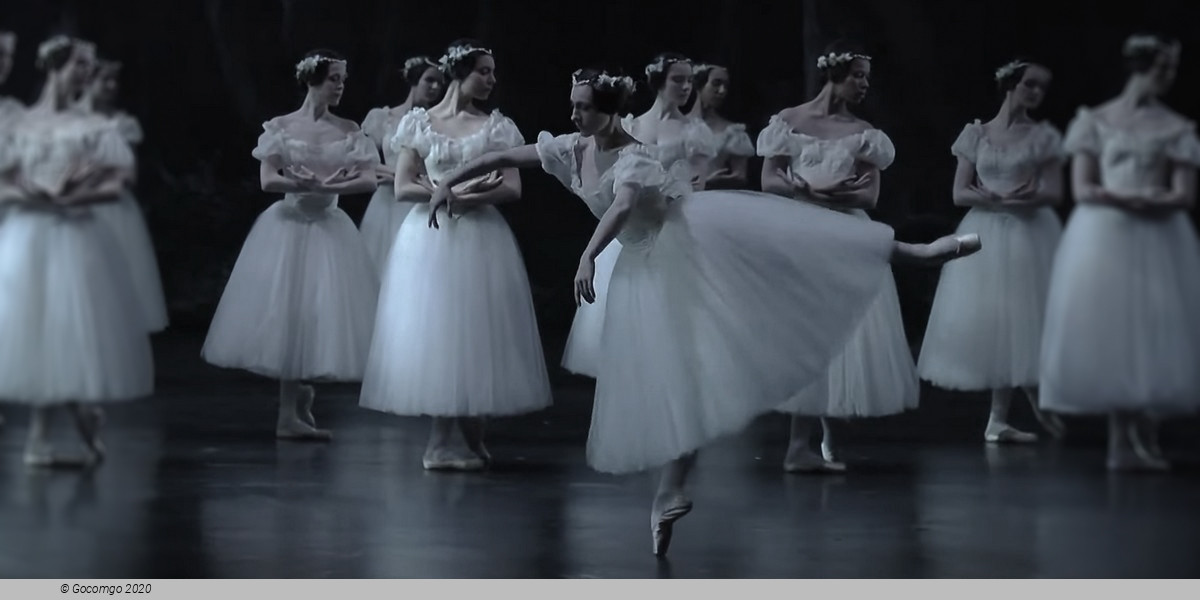
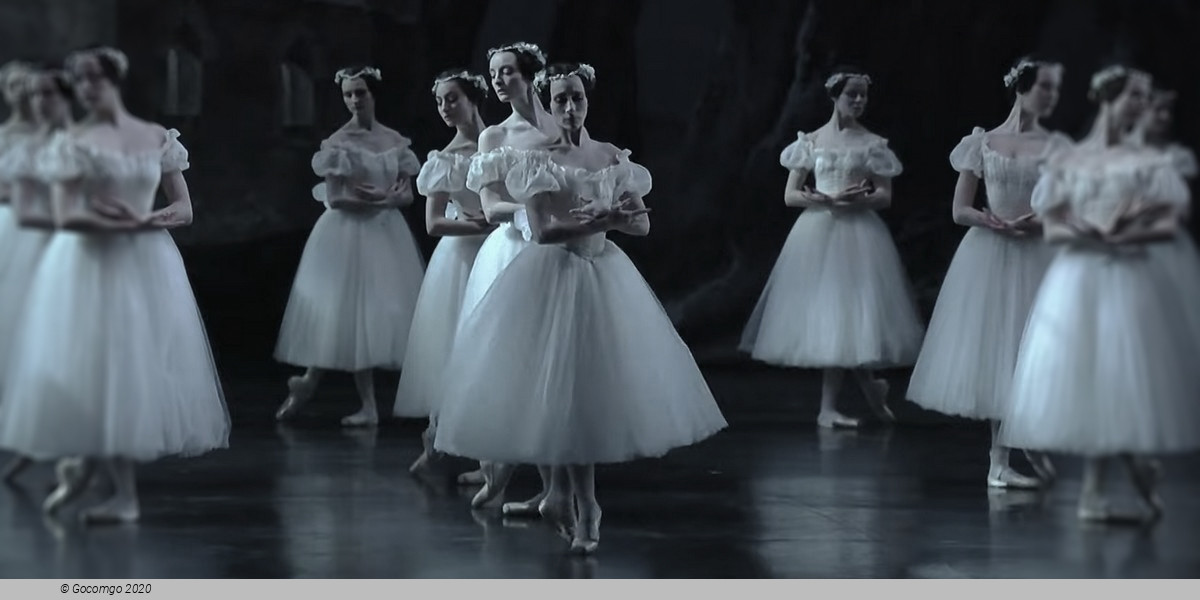
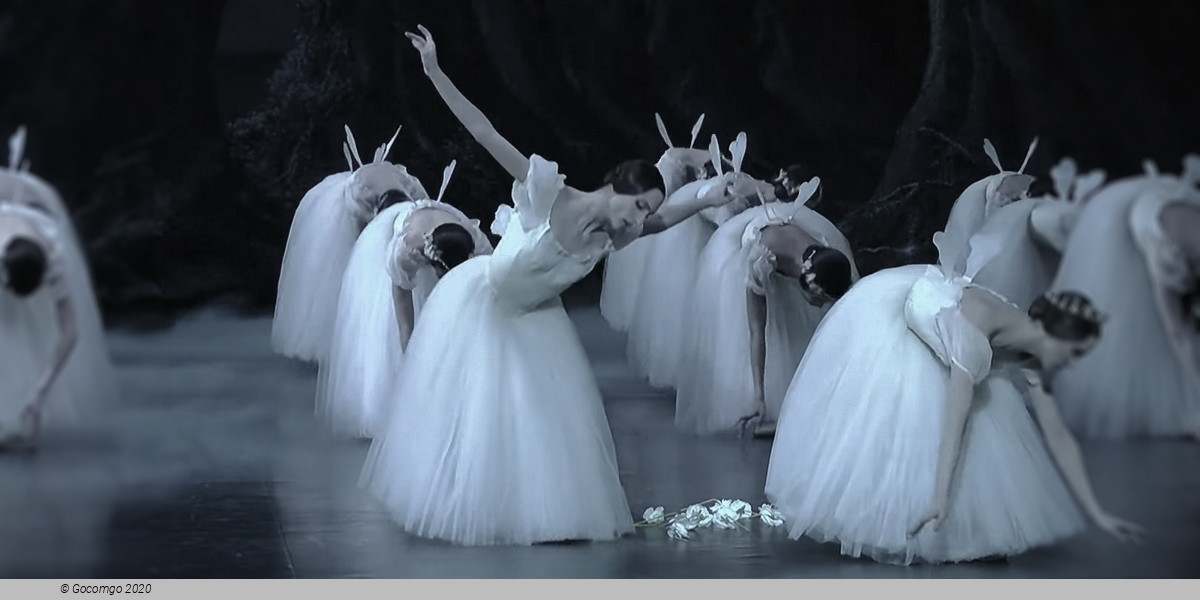
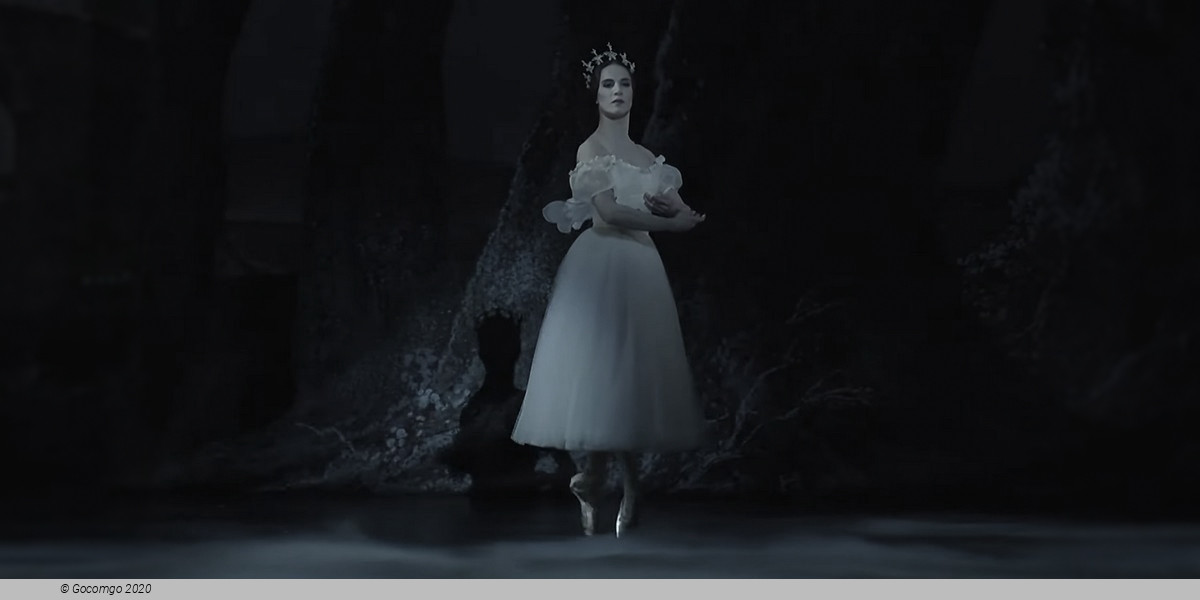
Late at night, Hilarion mourns at Giselle's forest grave, but is frightened away by the arrival of the Wilis, the ghostly spirits of maidens betrayed by their lovers. Many Wili were abandoned on their wedding days, and all died of broken hearts. The Wilis, led by their merciless queen Myrtha, dance and haunt the forest at night to exact their revenge on any man they encounter, regardless of who he may be, forcing their victims to dance until they die of exhaustion.
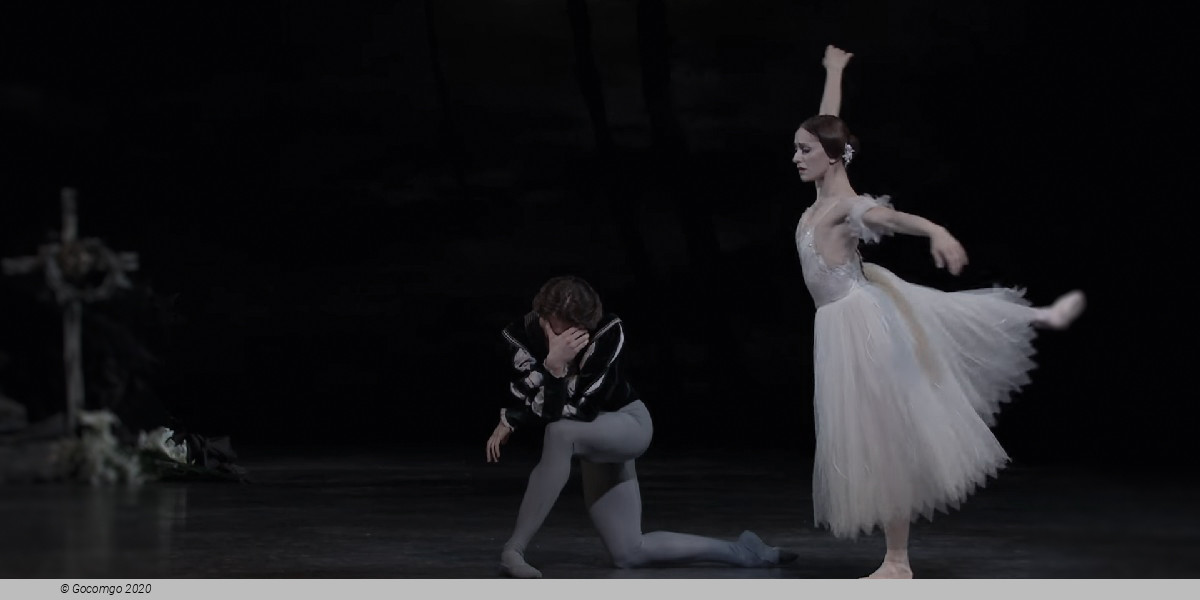
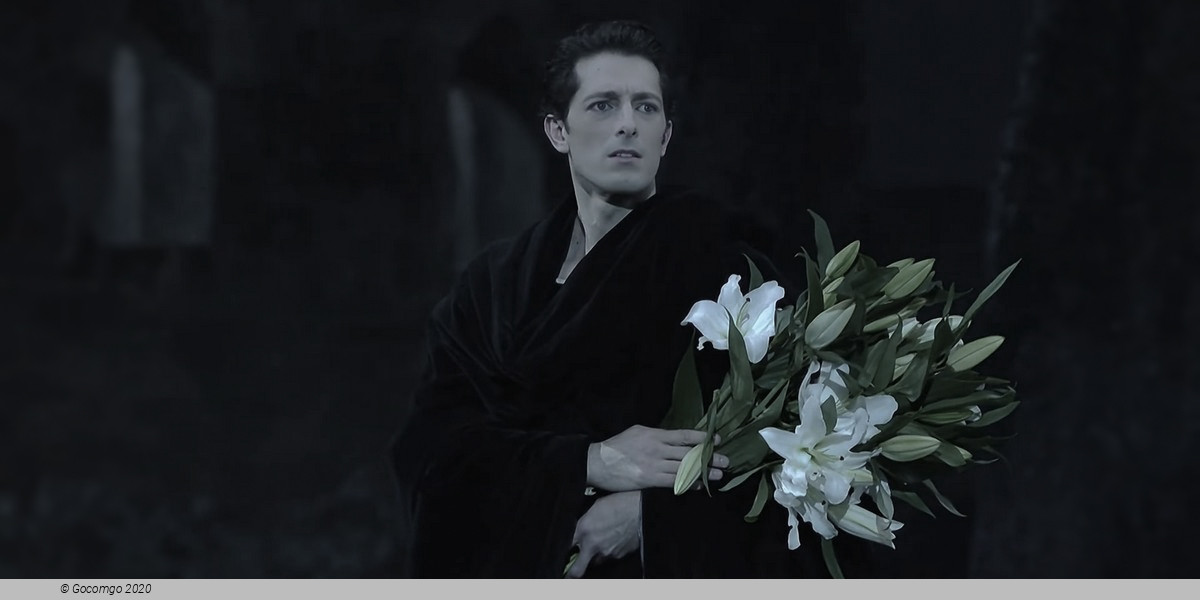
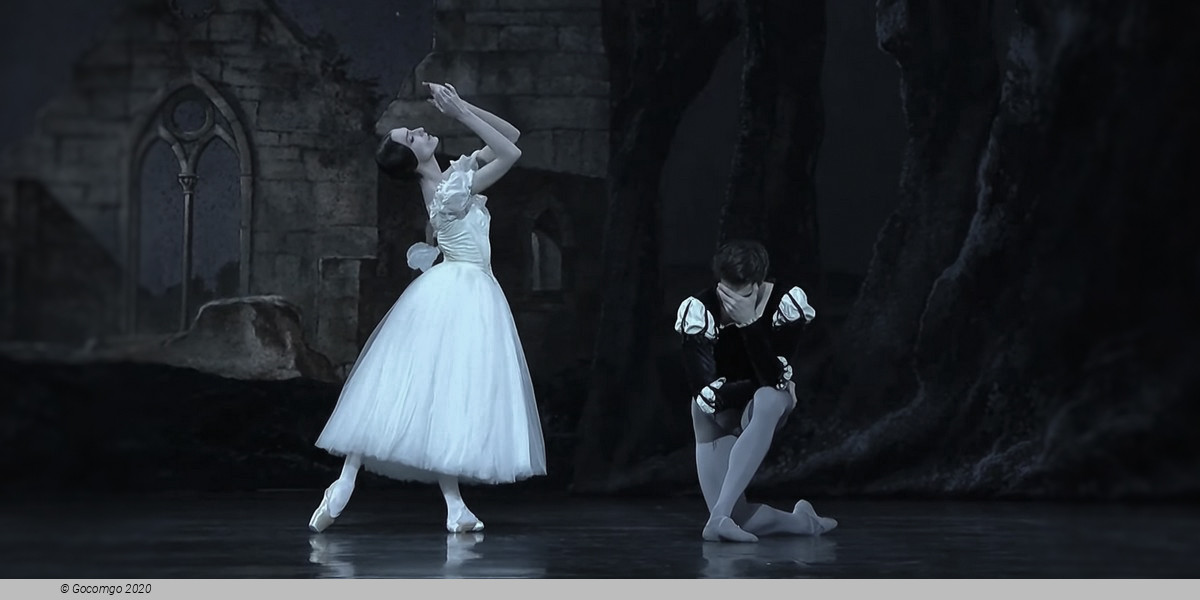
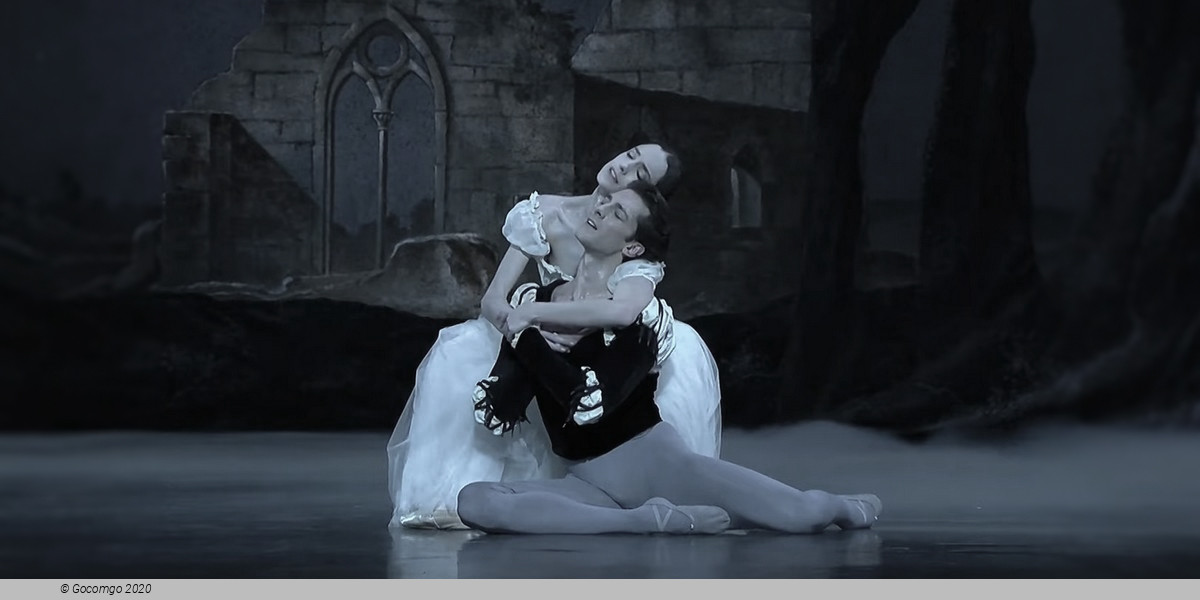
Myrtha and the Wilis rouse Giselle's spirit from her grave and induct her into their clan before disappearing into the forest. Albrecht arrives to lay flowers on Giselle's grave and he weeps with guilt over her death. Giselle's spirit appears and Albrecht begs her forgiveness. Giselle, her love undiminished unlike her vengeful sisters, gently forgives him. She disappears to join the rest of the Wilis and Albrecht desperately follows her.
Meanwhile, the Wilis have cornered a terrified Hilarion. They use their magic to force him to dance until he is nearly dead, and then drown him in a nearby lake. Then they spy Albrecht, and turn on him, sentencing him to death as well. He pleads to Myrtha for his life, but she coldly refuses. Giselle's pleas are also dismissed and Albrecht is forced to dance until sunrise. However, the power of Giselle's love counters the Wilis' magic and spares his life. The other spirits return to their graves at daybreak, but Giselle has broken through the chains of hatred and vengeance that control the Wilis, and is thus released from their powers and will haunt the forest no longer. After bidding a tender farewell to Albrecht, Giselle returns to her grave to rest in peace.












 301 Mercer Street Seattle, WA 98109