
Events195 results

About
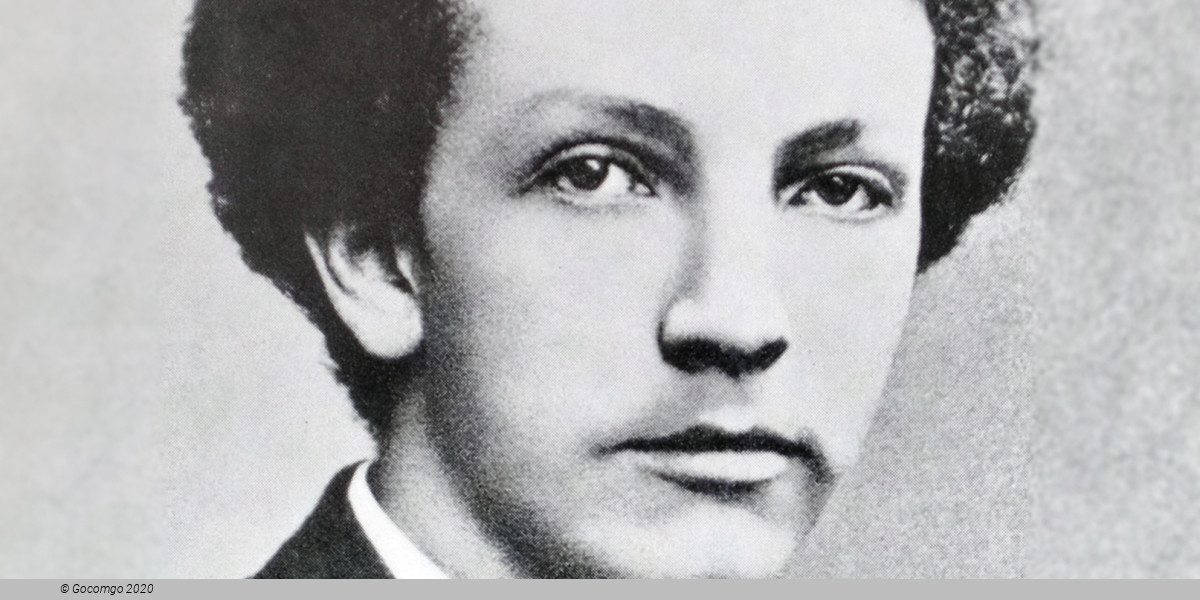
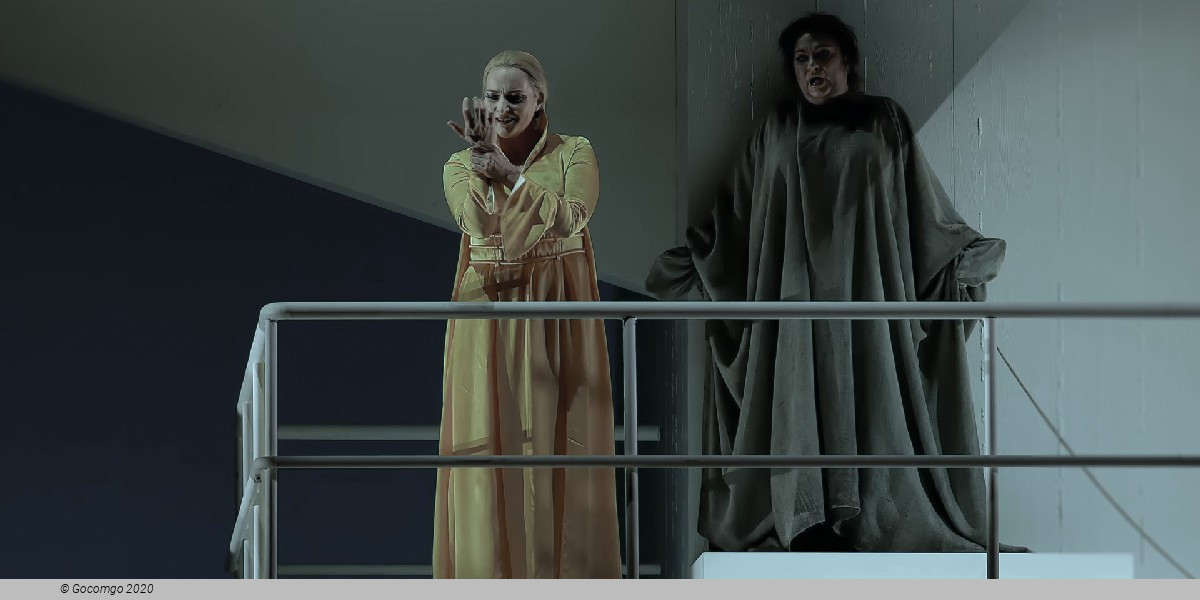
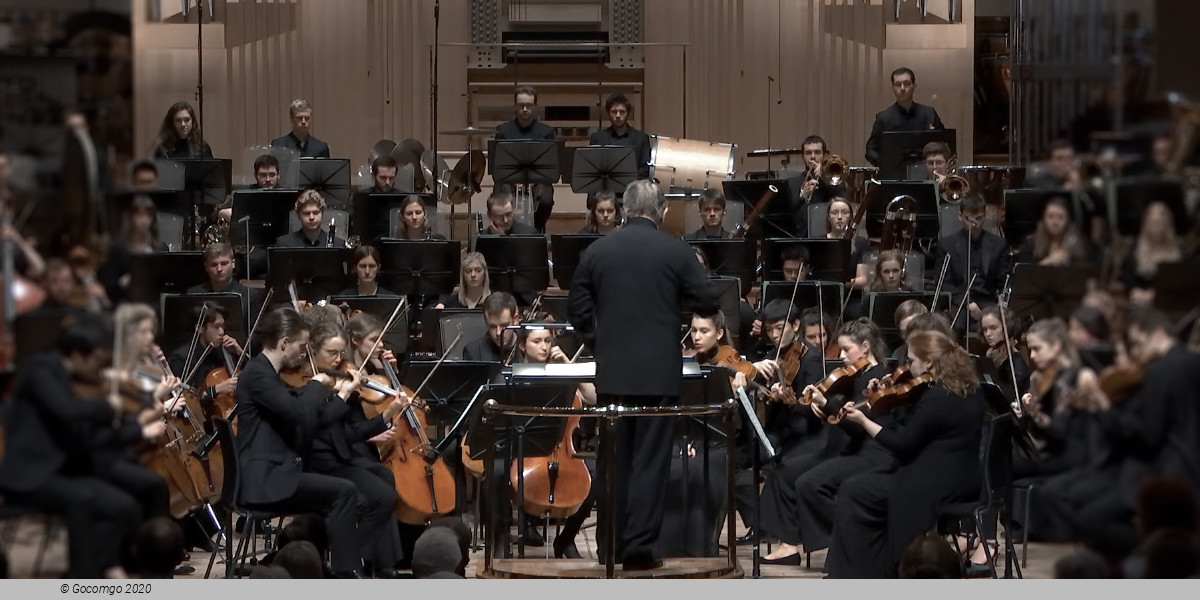
Richard Georg Strauss (11 June 1864 – 8 September 1949) was a leading German composer of the late Romantic and early modern eras. He is known for his operas, which include Der Rosenkavalier, Elektra, Die Frau ohne Schatten and Salome; his Lieder, especially his Four Last Songs; his tone poems, including Don Juan, Death and Transfiguration, Till Eulenspiegel's Merry Pranks, Also sprach Zarathustra, Ein Heldenleben, Symphonia Domestica, and An Alpine Symphony; and other instrumental works such as Metamorphosen and his Oboe Concerto. Strauss was also a prominent conductor in Western Europe and the Americas, enjoying quasi-celebrity status as his compositions became standards of orchestral and operatic repertoire.
Strauss, along with Gustav Mahler, represents the late flowering of German Romanticism after Richard Wagner, in which pioneering subtleties of orchestration are combined with an advanced harmonic style.
Around the end of the 19th century, Strauss turned his attention to opera. His first two attempts in the genre, Guntram (1894) and Feuersnot (1901), were controversial works: Guntram was the first significant critical failure of Strauss's career, and Feuersnot was considered obscene by some critics.
In 1905, Strauss produced Salome, a somewhat dissonant modernist opera based on the play by Oscar Wilde, which produced a passionate reaction from audiences. The premiere was a major success, with the artists taking more than 38 curtain calls. Many later performances of the opera were also successful, not only with the general public but also with Strauss's peers: Maurice Ravel said that Salome was "stupendous", and Gustav Mahler described it as "a live volcano, a subterranean fire". Strauss reputedly financed his house in Garmisch-Partenkirchen completely from the revenues generated by the opera. As with the later Elektra, Salome features an incredibly taxing lead soprano role. Strauss often remarked that he preferred writing for the female voice, which is apparent in these two sister operas—the male parts are almost entirely smaller roles, included only to supplement the soprano's performance.
Strauss's next opera was Elektra (1909), which took his use of dissonance even further, in particular with the Elektra chord. Elektra was also the first opera in which Strauss collaborated with the poet Hugo von Hofmannsthal. The two subsequently worked together on numerous occasions. For his later works with Hofmannsthal, Strauss moderated his harmonic language: he used a more lush, melodic late-Romantic style based on Wagnerian chromatic harmonies that he had used in his tone poems, with much less dissonance, and exhibiting immense virtuosity in orchestral writing and tone color. This resulted in operas such as Der Rosenkavalier (1911) having great public success. Strauss continued to produce operas at regular intervals until 1942. With Hofmannsthal he created Ariadne auf Naxos (1912), Die Frau ohne Schatten (1919), Die ägyptische Helena (1928), and Arabella (1933). For Intermezzo (1924) Strauss provided his own libretto. Die schweigsame Frau (1935), was composed with Stefan Zweig as librettist; Friedenstag (1935–36) and Daphne (1937) both had a libretto by Joseph Gregor and Stefan Zweig; and Die Liebe der Danae (1940) was with Joseph Gregor. Strauss's final opera, Capriccio (1942), had a libretto by Clemens Krauss, although the genesis for it came from Stefan Zweig and Joseph Gregor.
According to statistics compiled by Operabase, in number of operas performed worldwide over the five seasons from 2008/09 to 2012/13, Strauss was the second-most performed 20th-century opera composer, ahead of Benjamin Britten and behind only Giacomo Puccini. Strauss tied with Handel as the eighth most-performed opera composer from any century over those five seasons. Over the five seasons from 2008/09 to 2012/13, Strauss's top five most-performed operas were Salome, Ariadne auf Naxos, Der Rosenkavalier, Elektra, and Die Frau ohne Schatten. The most recent figures covering the five seasons 2011/12 to 2015/2016 show that Strauss was the tenth most performed opera composer, with Der Rosenkavalier overtaking Salome to become his most performed opera (the ranking of the other four remains the same).