
Gallery
About
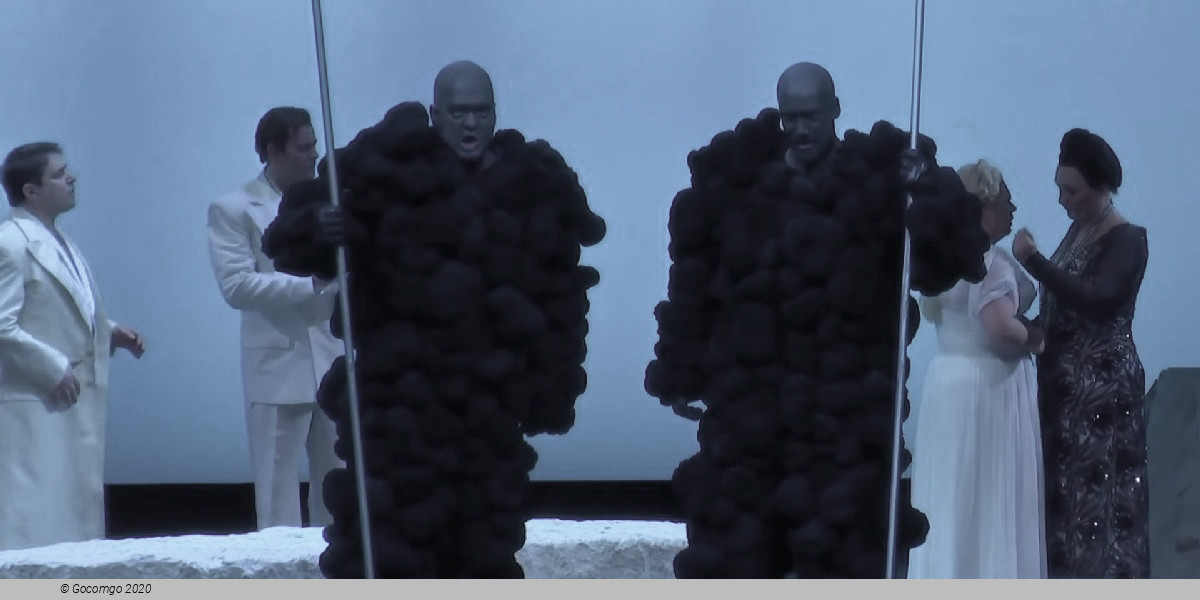
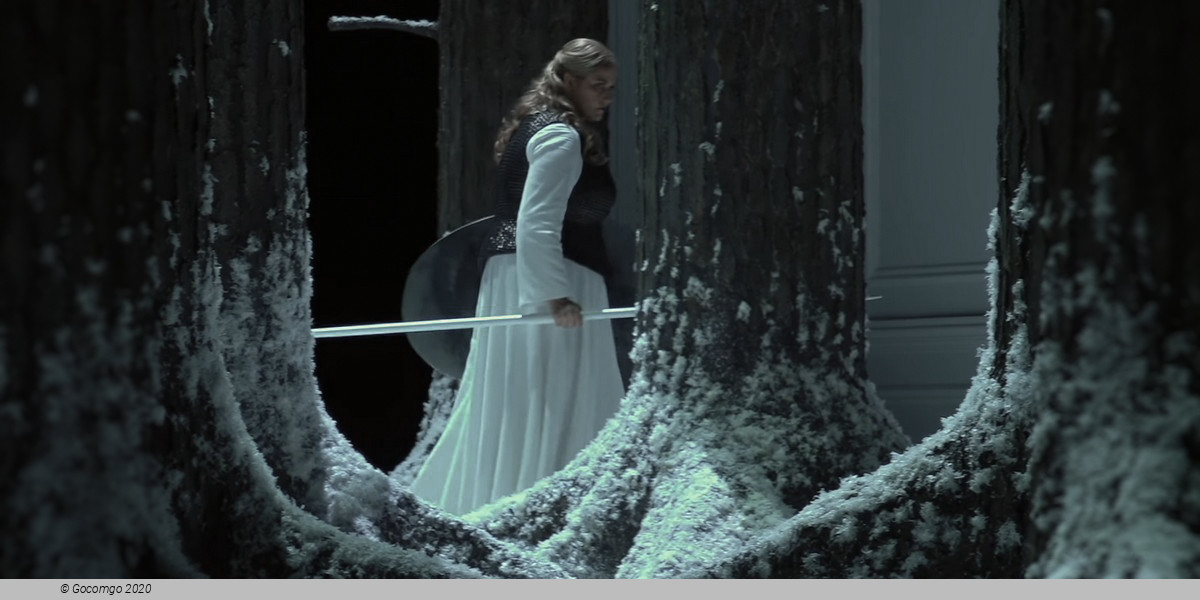
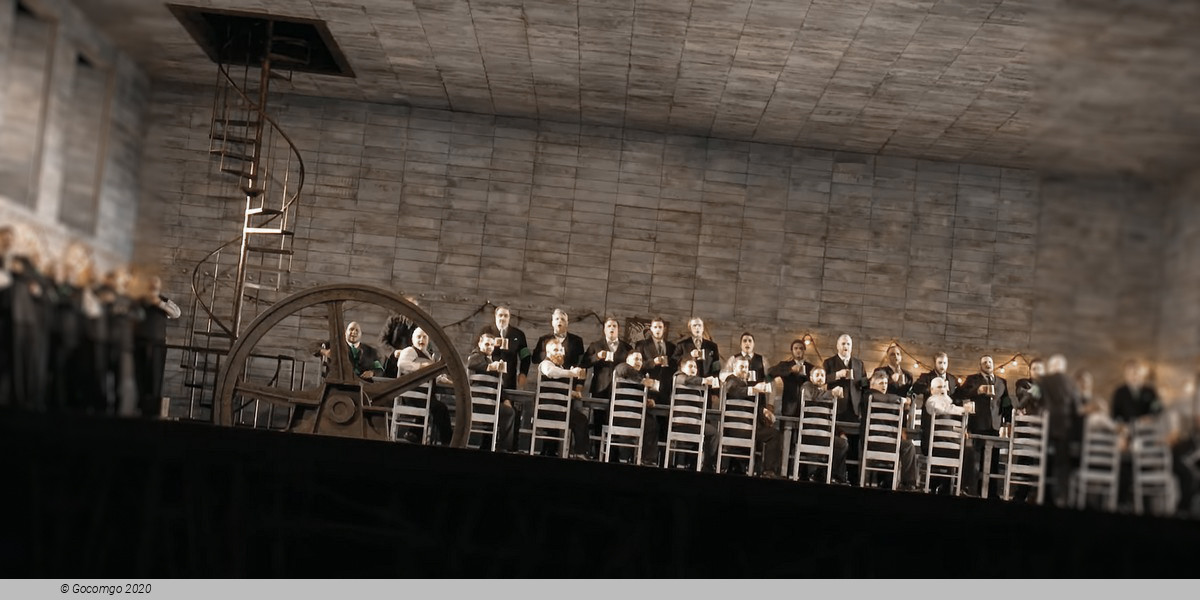
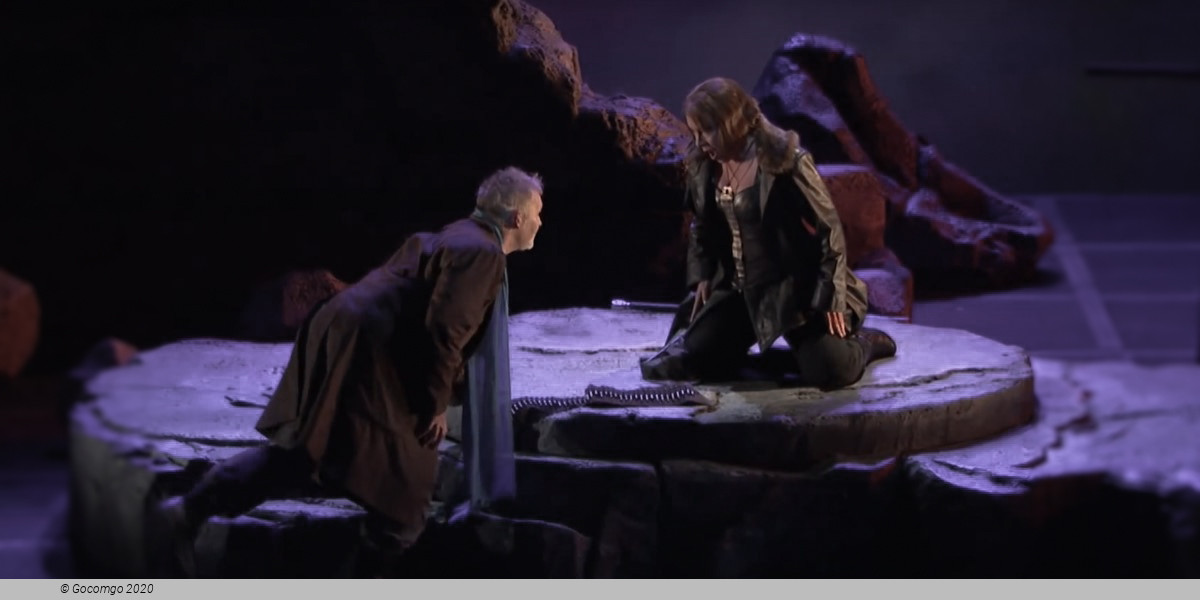
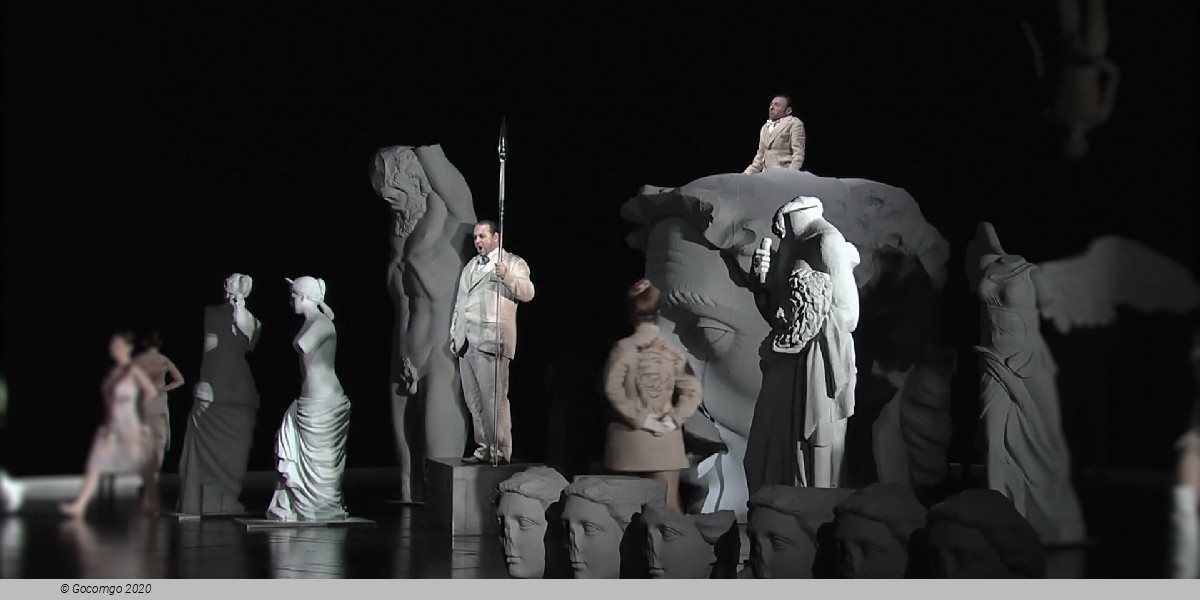
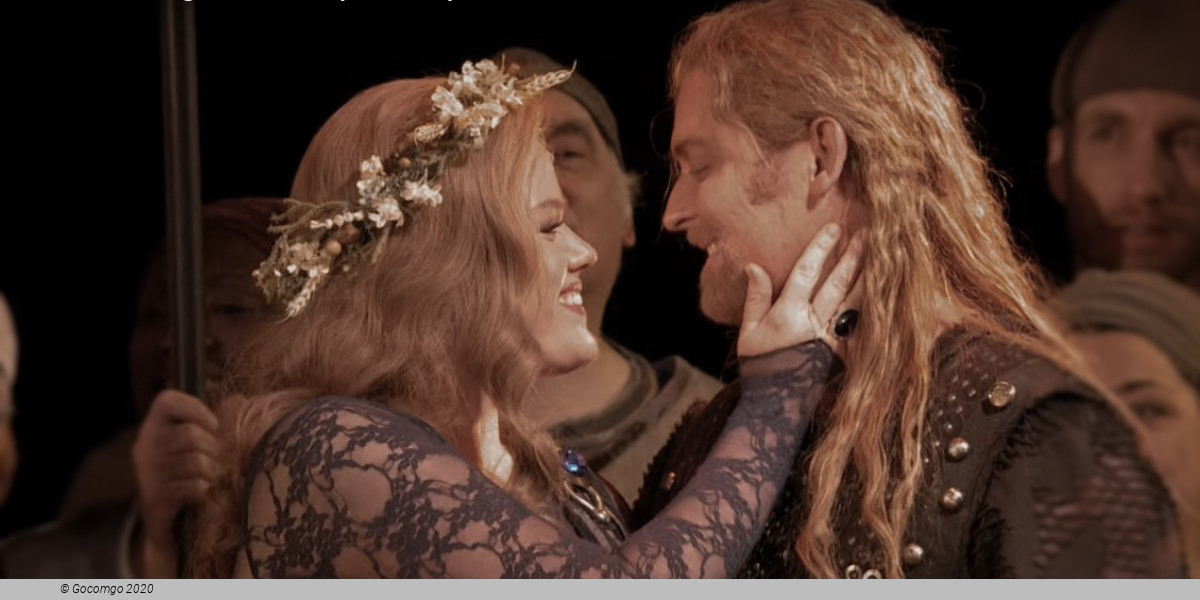
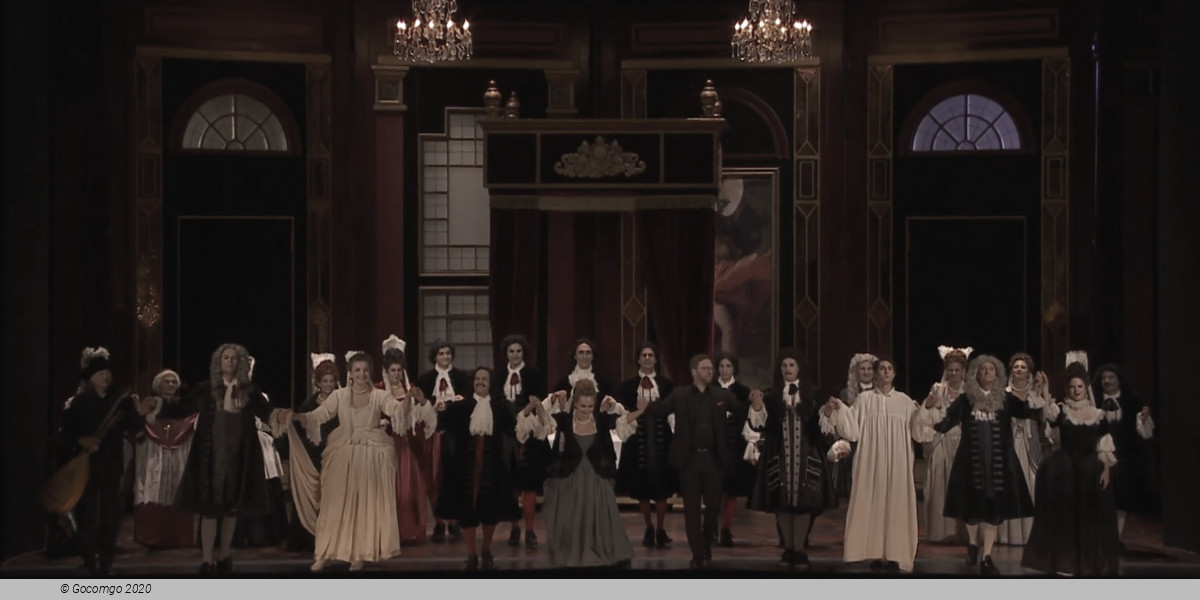
The Bayreuth Festival 2026 invites you into a world where opera is not simply performed, but lived with rare intensity. Celebrating its 150th anniversary, this legendary festival transforms the Green Hill into a sacred space of music, tradition, and artistic vision — a destination where every note carries history and every performance feels monumental.
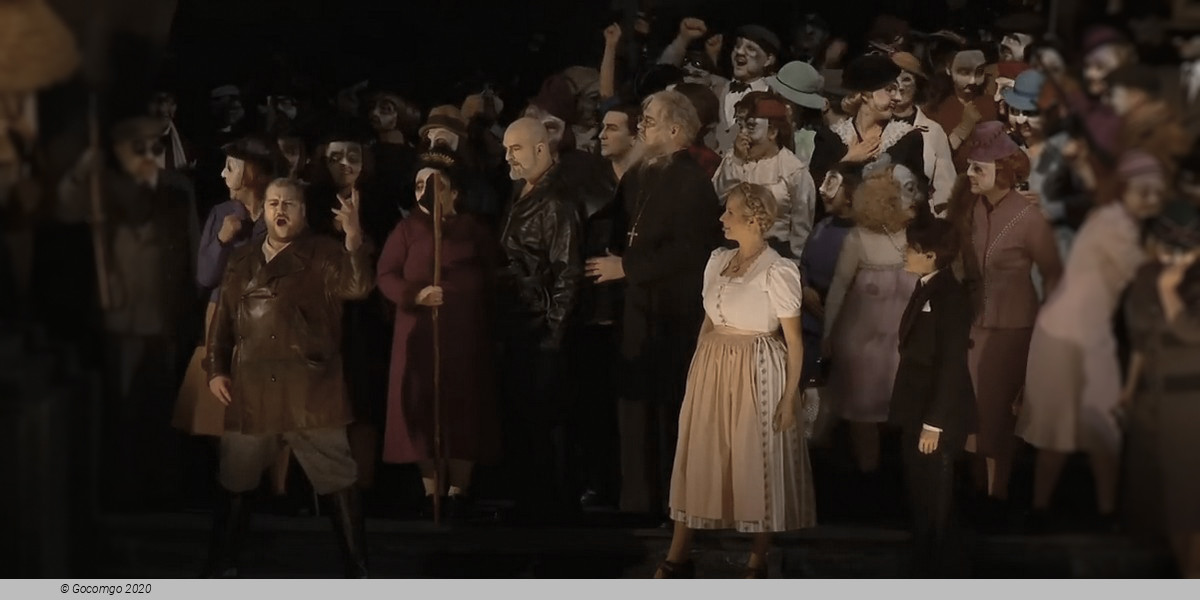
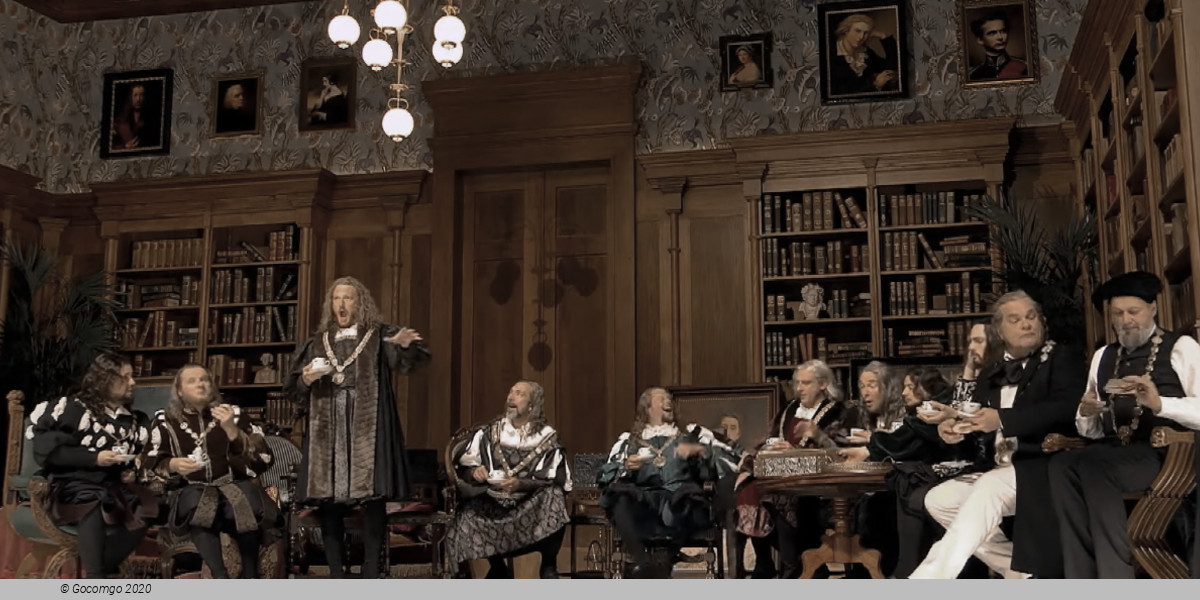
At the heart of the season lies the uncompromising genius of Richard Wagner. The 2026 program presents a powerful selection of his most iconic works, including Rienzi, Der fliegende Holländer, Parsifal, and the monumental cycle Der Ring des Nibelungen — with Das Rheingold, Die Walküre, Siegfried, and Götterdämmerung unfolding as an immersive operatic journey.
Each production is staged in the unique acoustics of the Festspielhaus, where Wagner’s vision of total theatre comes alive with striking clarity and emotional force.
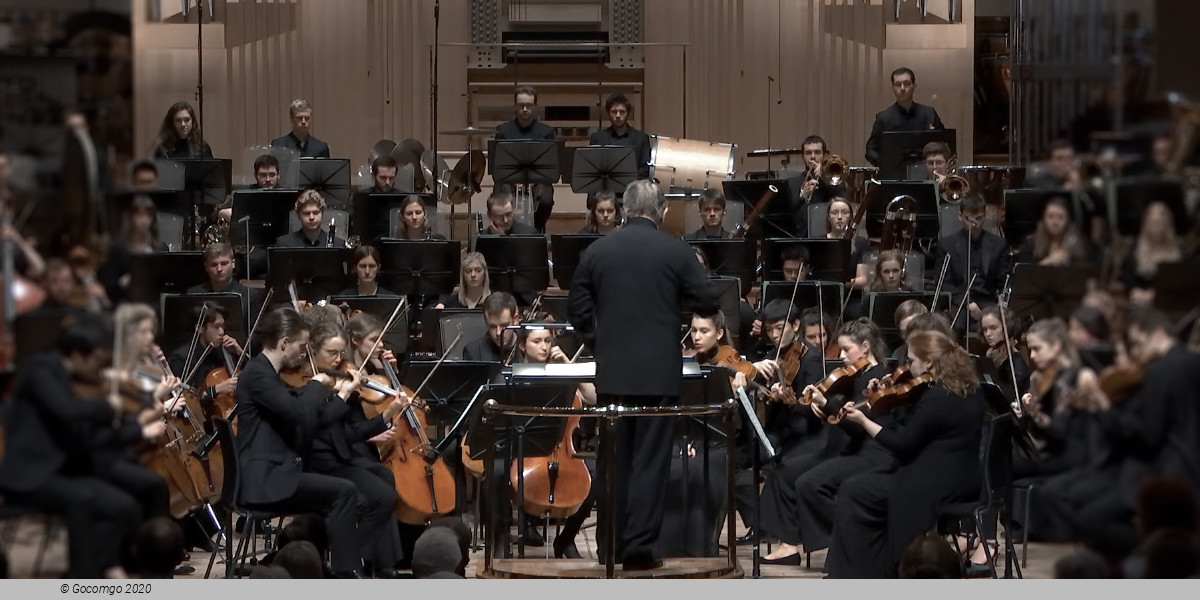
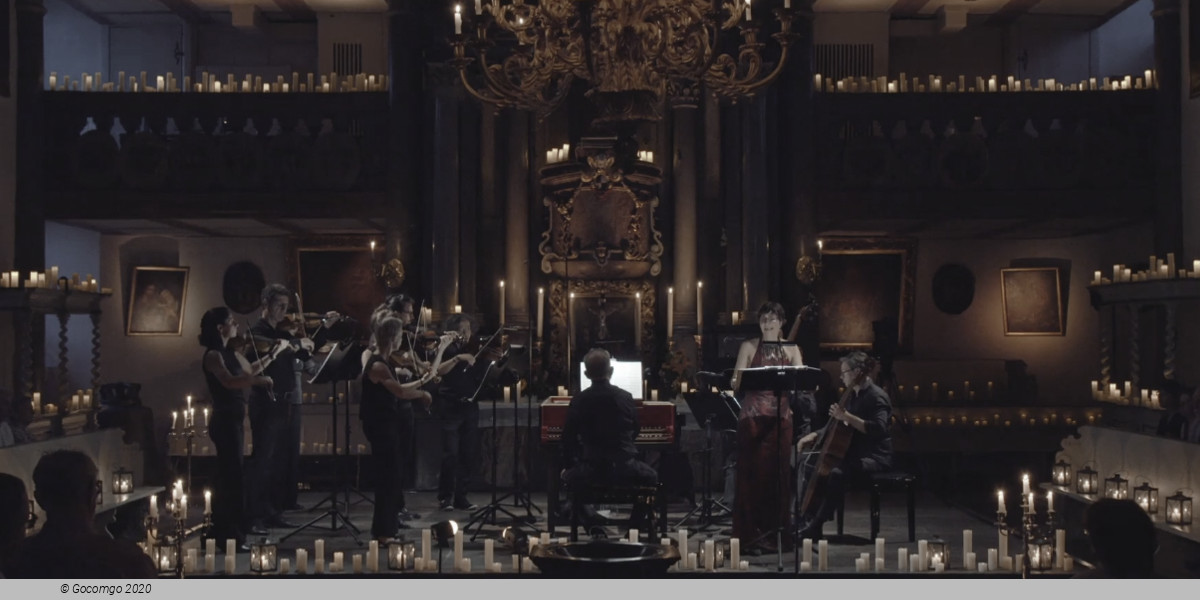
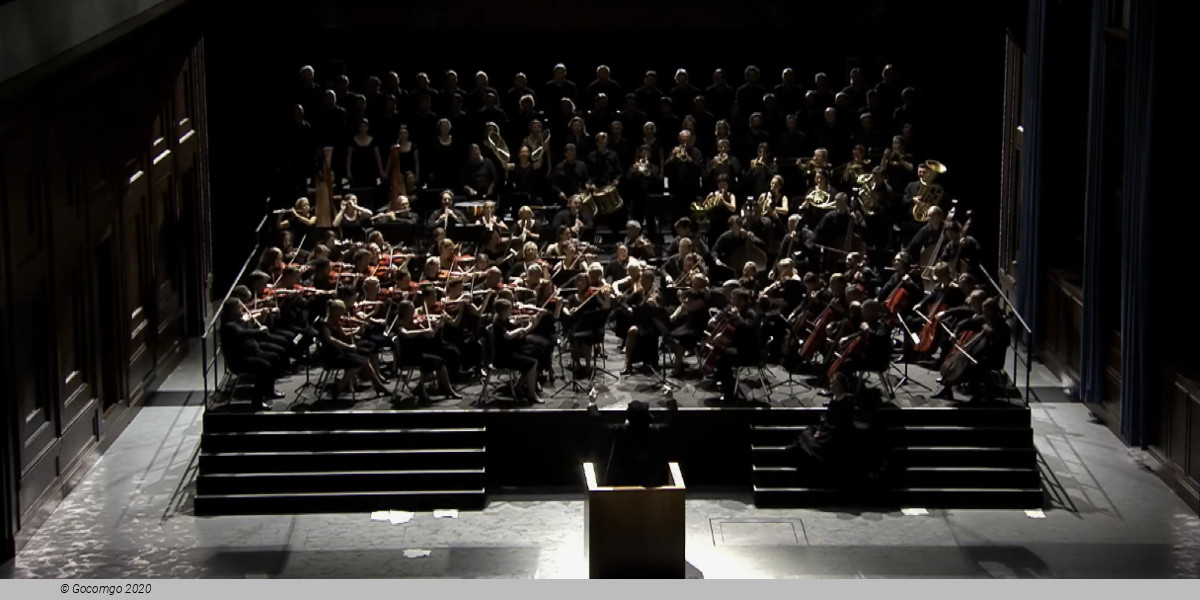
Beyond opera, the festival’s concert program adds a luminous dimension to the experience. A highlight of the season is Beethoven’s Ninth Symphony, performed as a grand musical statement of unity and transcendence.
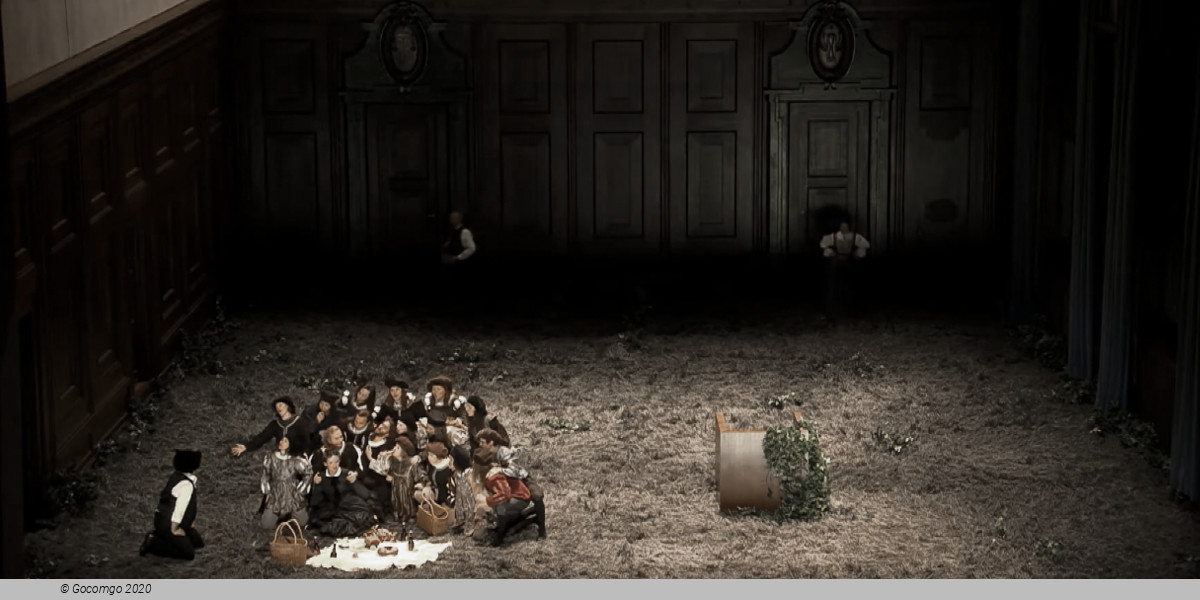
Open-air concerts and special productions, such as Brünnhilde brennt, expand the festival beyond the stage, creating a vibrant dialogue between tradition and contemporary interpretation.
The artistic lineup reflects the festival’s uncompromising standards. Visionary conductor Christian Thielemann leads the anniversary performances, bringing his signature depth and authority to Wagner’s monumental scores.
On stage, an outstanding ensemble of voices includes Elza van den Heever, Christa Mayer, Piotr Beczała, and Georg Zeppenfeld — artists whose performances combine vocal mastery with profound dramatic presence.
What makes Bayreuth truly unique is its atmosphere — an almost ritualistic immersion into Wagner’s universe. Here, the audience is not merely a spectator, but a participant in a living tradition that has shaped the history of opera for generations.
The Bayreuth Festival 2026 is more than an anniversary — it is an invitation to experience opera at its most authentic, intense, and unforgettable.
About the Bayreuth Festival
The Bayreuth Festival is a music festival held annually in Bayreuth, Germany, at which performances of operas by the 19th-century German composer Richard Wagner are presented. Wagner himself conceived and promoted the idea of a special festival to showcase his own works, in particular his monumental cycle Der Ring des Nibelungen and Parsifal. Performances take place in a specially designed theatre, the Bayreuth Festspielhaus. Wagner personally supervised the design and construction of the theatre, which contained many architectural innovations to accommodate the huge orchestras for which Wagner wrote as well as the composer's particular vision about the staging of his works. The Festival has become a pilgrimage destination for Wagner enthusiasts.
The origins of the Festival itself lie rooted in Richard Wagner's interest in establishing his financial independence. A souring of the relationship with his patron, Ludwig II of Bavaria, led to his expulsion from Munich, where he had originally intended to launch the festival. Wagner next considered Nuremberg, which would have reinforced the thematic significance of works such as Die Meistersinger. On the advice of Hans Richter, however, the focus fell upon Bayreuth which enjoyed three distinct advantages.

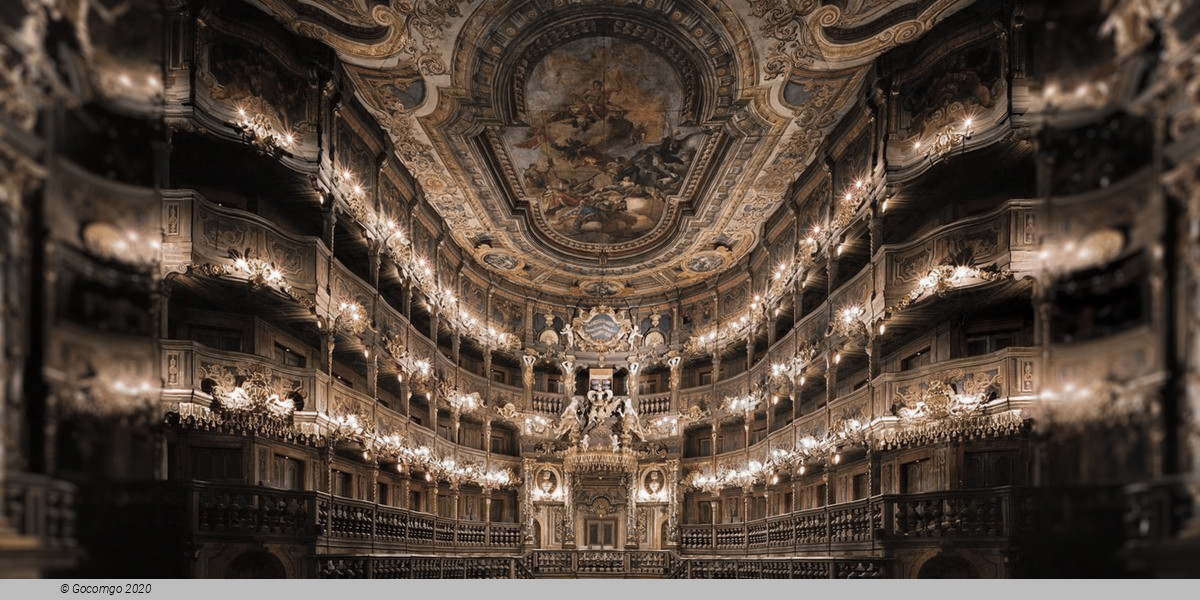
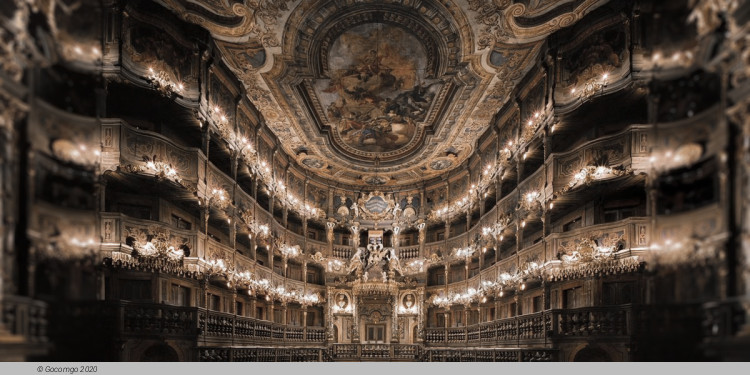
First, the town boasted a splendid venue: the Markgräfliches Opernhaus built for Margrave Frederick and his wife, Friederike Sophie Wilhelmine (sister of Frederick the Great) in 1747. With its ample capacity and strong acoustics, the opera house was a good match for Wagner's vision. Second, the town of Bayreuth found itself outside of regions where Wagner no longer owned the rights to the performance of his own works, which he had sold off in 1864 in order to alleviate pressing financial concerns. Finally, the town had no cultural life that could offer competition to Wagner's own artistic dominance. The Festival, once launched, would be the dominant feature of Bayreuth's cultural landscape.
In April 1870, Wagner and his wife Cosima visited Bayreuth. On inspection, the Opera House proved to be inadequate. It was built to accommodate the baroque orchestras of the 18th century and was therefore unsuited for the complex stagings and large orchestras that Wagner's operas required. Nonetheless, the Burgermeisters proved open to assisting Wagner with the construction of an entirely new theatre and the Festival was planned to launch in 1873. After a fruitless meeting in the spring of 1871 with the German Chancellor Otto von Bismarck to obtain funds, Wagner embarked on a fundraising tour across Germany, including Leipzig and Frankfurt.
An initial public subscription proved disappointing until Wagner, at the suggestion of his friend and admirer Emil Heckel, launched a number of Wagner Societies to increase participation in the Festival's subscription. Societies were established, among other places, in Leipzig, Berlin and Vienna.
Despite making direct appeals based on Wagner's role as a composer of the new German Reich, the Societies and other fundraising channels were well short of the needed sum by the end of 1872. Wagner made another appeal to Bismarck in August 1873 and was again denied.
Desperate, Wagner turned to his former patron, Ludwig II who reluctantly agreed to help. In January 1874, Ludwig granted 100,000 Thaler and construction on the theatre, designed by architect Gottfried Semper, started shortly thereafter. A planned 1875 debut was postponed for a year due to construction and other delays.
Early history
Since its opening in 1876, the Bayreuth Festival has been a socio-cultural phenomenon. The inauguration took place on 13 August 1876, with a performance of Beethoven's "Choral" Symphony, which tradition has been repeated at every opening ever since. Then came the first performance of Das Rheingold. Present at this unique musical event were Kaiser Wilhelm, Dom Pedro II of Brazil, King Ludwig (who attended in secret, probably to avoid the Kaiser), and other members of the nobility, as well as the philosopher Friedrich Nietzsche who committed much effort to helping his then good friend Wagner establish the festival, and such accomplished composers as Anton Bruckner, Edvard Grieg, Pyotr Tchaikovsky, Franz Liszt, and the young Arthur Foote.
Artistically, the festival was a success. ("Something has taken place at Bayreuth which our grandchildren and their children will still remember", wrote Tchaikovsky, attending the Festival as a Russian correspondent.) Financially, however, the festival was a disaster and did not begin to make money until several years later. Wagner abandoned his original plan to hold a second festival the following year, and travelled to London to conduct a series of concerts in an attempt to make up the deficit. Although the festival was plagued by financial problems in its early years, it survived through state intervention and the continued support of influential Wagnerians, including King Ludwig II of Bavaria.
From its inception, the festival has attracted leading conductors and singers, many of whom performed without pay. Among these was Hans Richter, who conducted the premiere of the Ring Cycle in 1876. Another was the talented conductor Hermann Levi, who was personally chosen by Richard Wagner to conduct the debut of Parsifal in 1882 with the assistance of the young Engelbert Humperdinck.
Following Wagner's death, his widow Cosima continued running the festival at one or, more frequently, two-year intervals. She gradually introduced the remaining operas which complete the Bayreuth canon of Wagner's last ten completed operas. Levi, the son of a rabbi, remained the festival's principal conductor for the next two decades. Felix Mottl, who was involved with the festival from 1876 to 1901, conducted Tristan und Isolde there in 1886. Until the 1920s, performances were strictly in accordance with the traditions established under King Ludwig's patronage. Not a note was "cut" from any of the enormous scores; no concessions were made to the limits of human patience on the part of the audiences. Cosima Wagner preserved the productions of Parsifal and Der Ring des Nibelungen just as they had been in Wagner's day, defending any proposed changes with appeals to her son Siegfried: "Was this not how Papa did it in 1876?"
After Cosima's retirement in 1906, Siegfried Wagner took over management of the festival, introducing new staging and performance styles. His early death in 1930 left the Festival in the hands of his English-born wife Winifred Wagner, with Heinz Tietjen as artistic director.