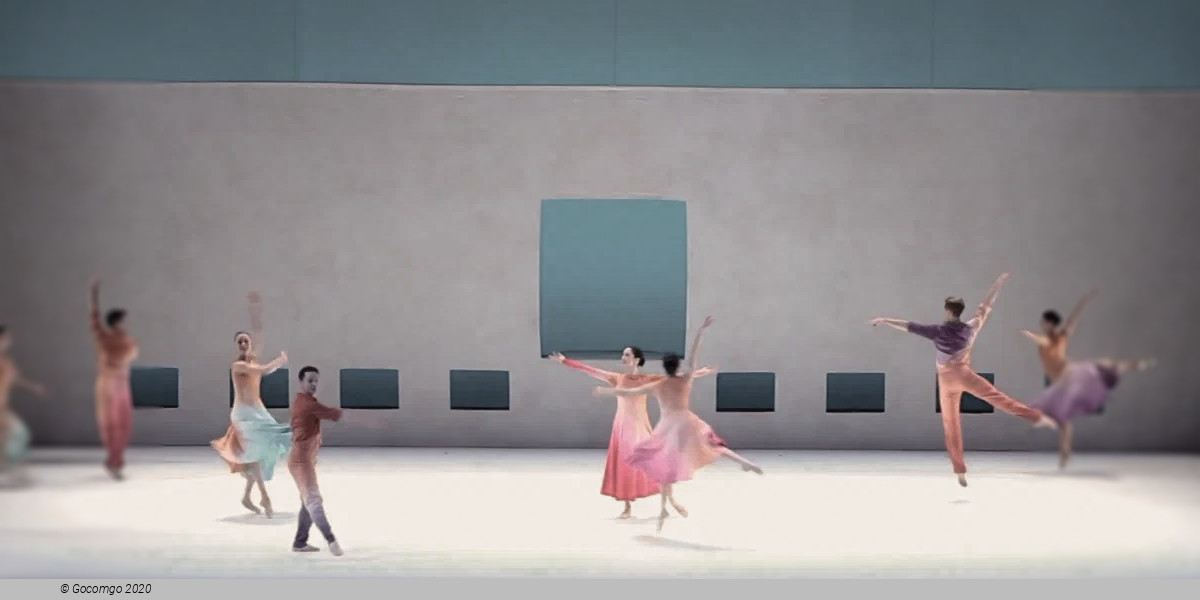
All Lang by Jessica Lang is a refined, lyrical contemporary ballet that highlights her signature sculptural movement, harmonious group patterns, and elegant musicality, creating an atmosphere of emotional clarity and visual poetry.
The ballet unfolds through a series of refined ensemble sections and intimate duets in which dancers weave patterns, form shifting tableaux, and move as if guided by a shared breath. Lang’s choreography balances precision with softness, allowing the dancers to flow seamlessly across the stage while maintaining a sense of architectural clarity.
Her use of spacing, symmetry, and dynamic transitions creates a visual rhythm that feels both meditative and expressive. The dancers’ interactions evoke themes of unity, trust, and quiet introspection, while the musical score enhances the ballet’s graceful and contemplative mood.
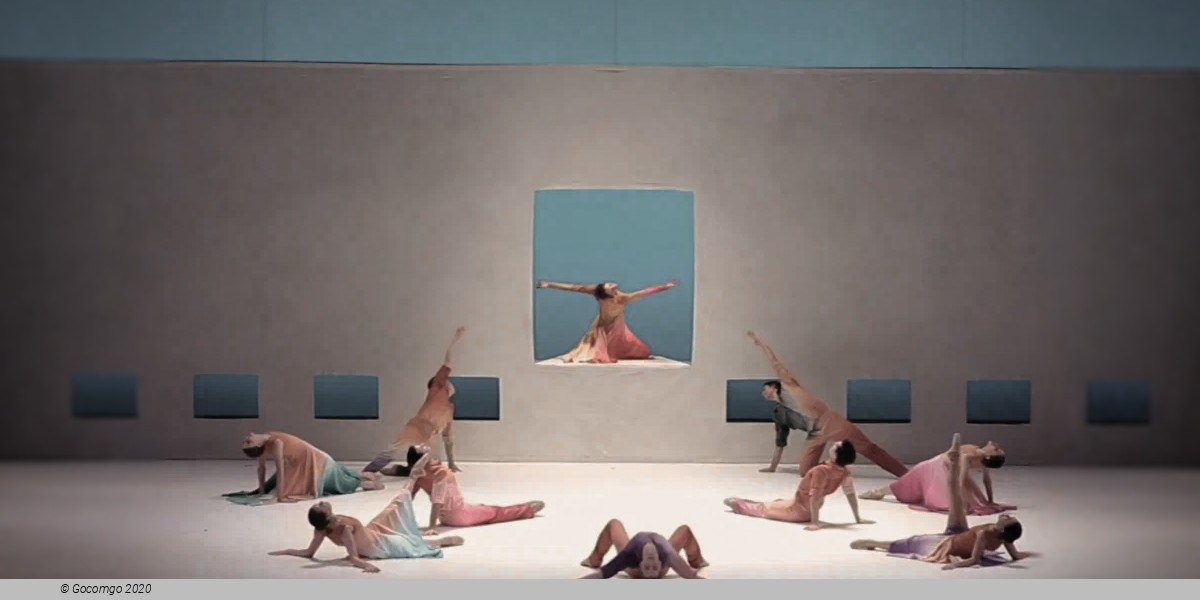
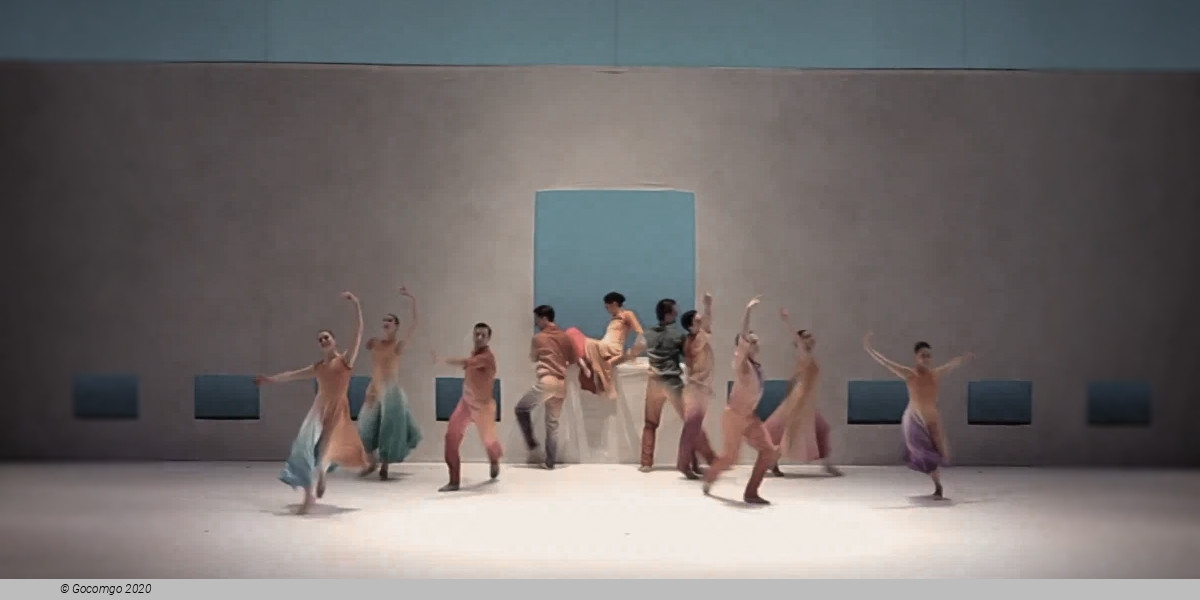
Her Door to the Sky by Jessica Lang is a luminous, emotionally rich contemporary ballet inspired by Georgia O’Keeffe’s distinctive visual world—especially her paintings of flowers, doors, and expansive Southwestern landscapes. Lang translates O’Keeffe’s aesthetic into movement, color, and atmosphere, creating a ballet that feels both intimate and vast.
Throughout the ballet, Lang explores themes of femininity, transformation, serenity, and the desire to find one’s place in the world. Central duets reflect tenderness and support, while ensemble moments open into broad, sweeping sections that suggest freedom and vastness.
At its core, Her Door to the Sky is a tribute to creativity, inner strength, and the beauty found in quiet spaces. The ballet is praised for its visual elegance, emotional transparency, and its ability to bring the spirit of Georgia O’Keeffe’s art to life on stage through movement, light, and color.
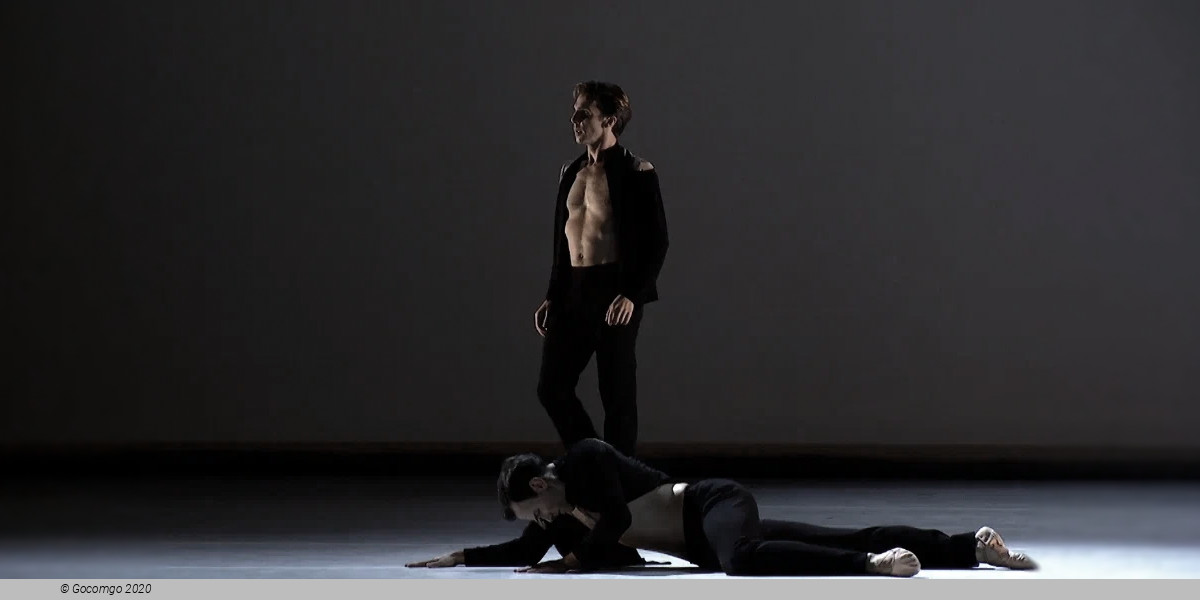
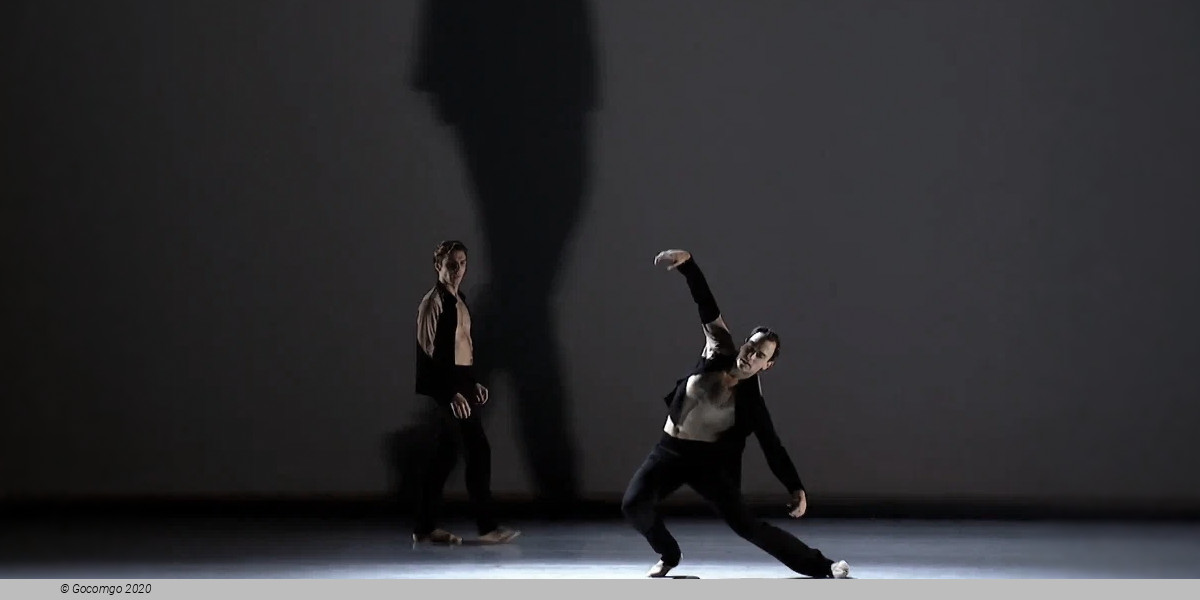
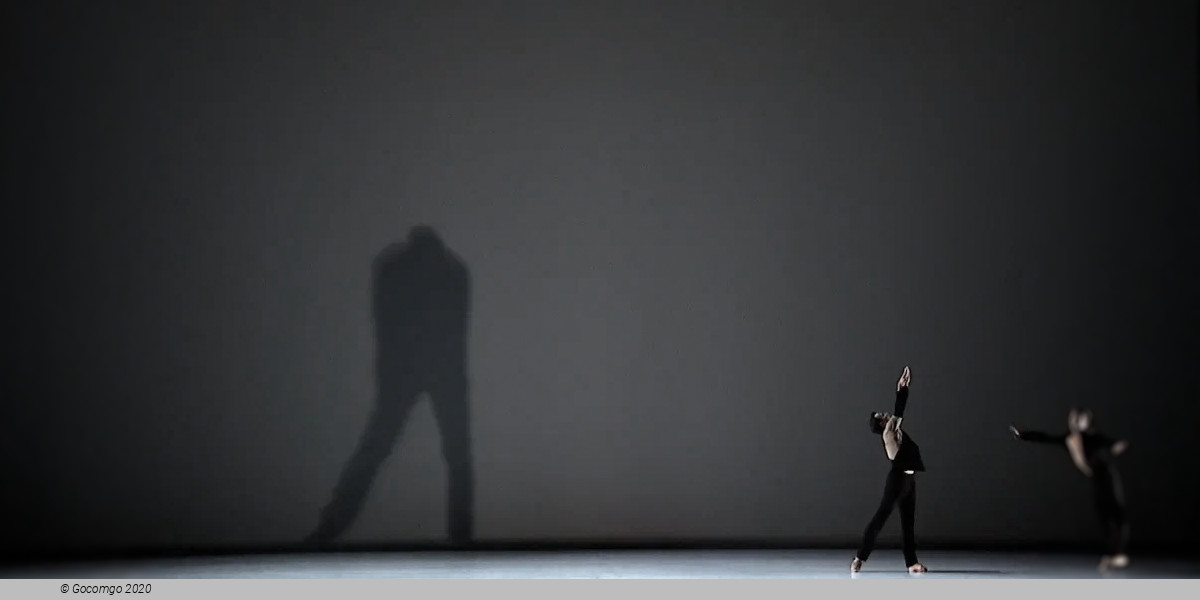
Ghost Variations by Jessica Lang is a haunting, introspective contemporary ballet set to Robert Schumann’s Ghost Variations, a work composed during the final, tormented period of the composer’s life. Lang transforms this emotionally charged music into a ballet that explores fragility, memory, inner struggle, and the search for clarity amid psychological darkness.
The atmosphere of the ballet is subdued and dreamlike, with lighting and staging that evoke shifting shadows, fading memories, and moments that feel suspended in time. Lang uses a restrained color palette—often soft, pale, or muted tones—to create a world that appears delicate and almost transparent, as if the dancers are moving through mist or half-remembered thoughts.
Choreographically, the ballet is both lyrical and unsettling, blending smooth, flowing movement with sudden pauses, collapses, and moments of tension. Dancers interweave in patterns that feel like echoes or reflections of one another, reinforcing the sense of fragmented consciousness. Duets often emphasize support and vulnerability, suggesting the blurred line between comfort and dependence, or between the self and the forces pulling it apart.
Ensemble sections move with a quiet, hypnotic energy, while solos capture the sense of a mind slipping between clarity and confusion. Lang’s use of space—opening, closing, and shifting the dancers’ formations—mirrors Schumann’s increasingly fractured emotional world.
At its core, Ghost Variations is a portrait of a psyche in turmoil, rendered with tenderness and sensitivity. Rather than illustrating madness directly, Lang invites the audience into a poetic, atmospheric landscape where beauty and sorrow coexist. The ballet is admired for its emotional depth, subtlety, and its ability to translate the tragic beauty of Schumann’s final composition into a moving visual experience.
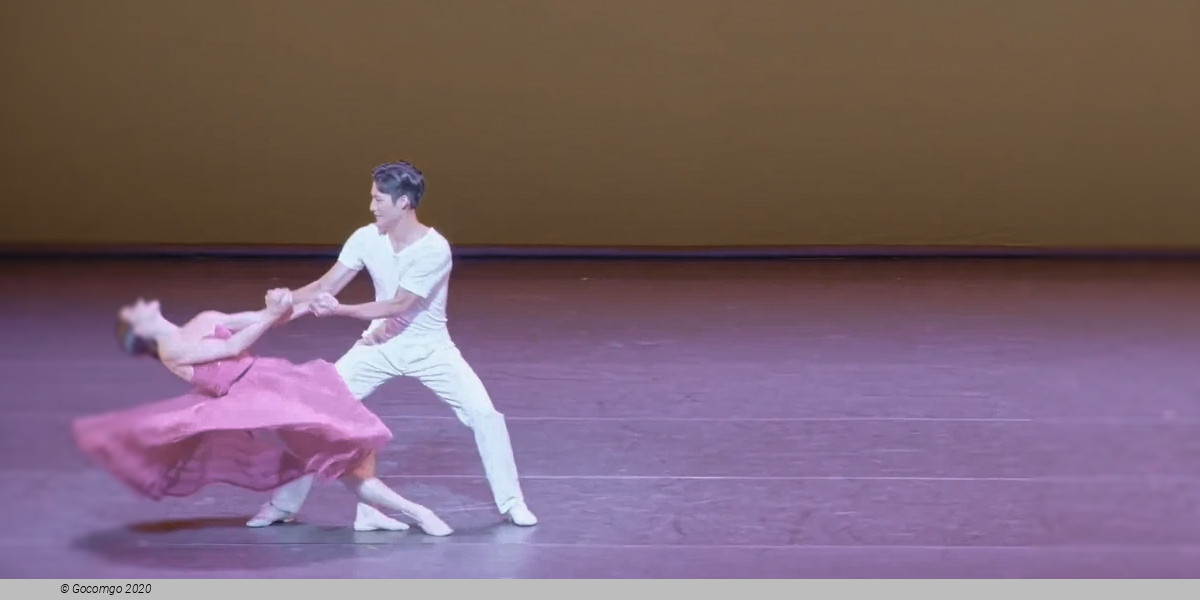
ZigZag by Jessica Lang is a vibrant, joyful, and theatrically playful contemporary ballet created as a celebration of American music, movement, and visual design. Set to a collection of songs recorded by the legendary Tony Bennett—including both classics and lesser-known gems—the ballet blends dance, song, and visual art into one uplifting, Broadway-infused experience.
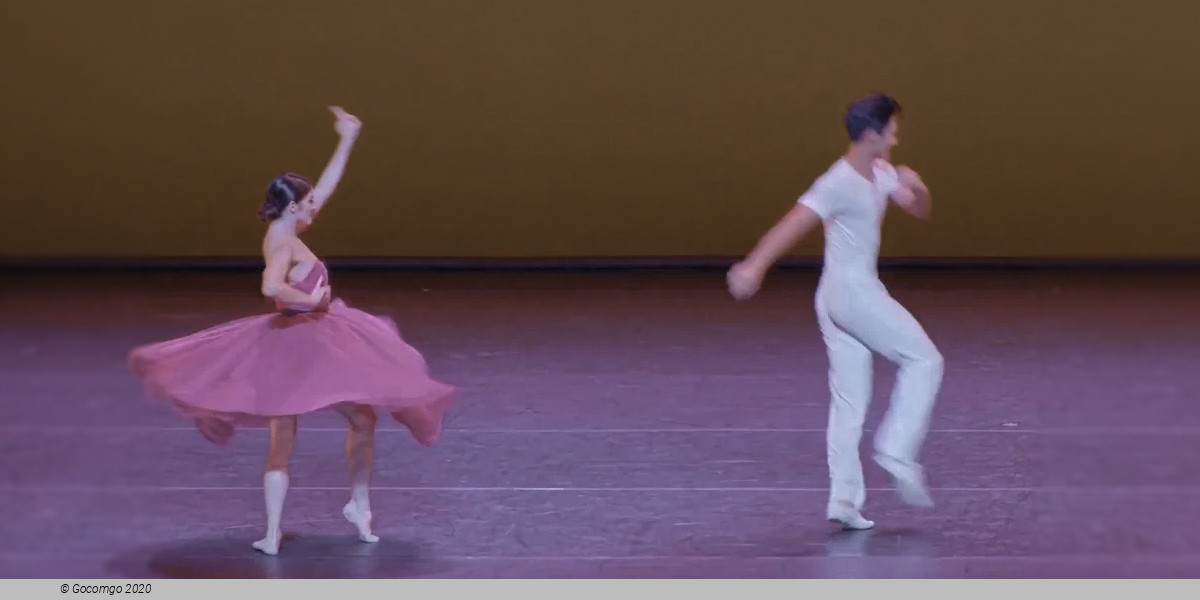
The work is structured as a series of lively vignettes, each capturing a different mood, rhythm, or emotional tone from Bennett’s music. Lang’s choreography is crisp, musical, and full of personality: sharp footwork, jazzy accents, stylish port de bras, and clever group formations give the ballet a dynamic, show-stopping quality. The dancers move with charm and theatrical flair, embracing both classical precision and Broadway-style character.
A defining feature of ZigZag is its colorful and imaginative stage design, inspired by the iconic artwork of Bennett’s longtime collaborator and friend, the visual artist David Hockney. Bright geometric patterns, bold shapes, and vivid color contrasts create a whimsical world that seems to dance alongside the performers.
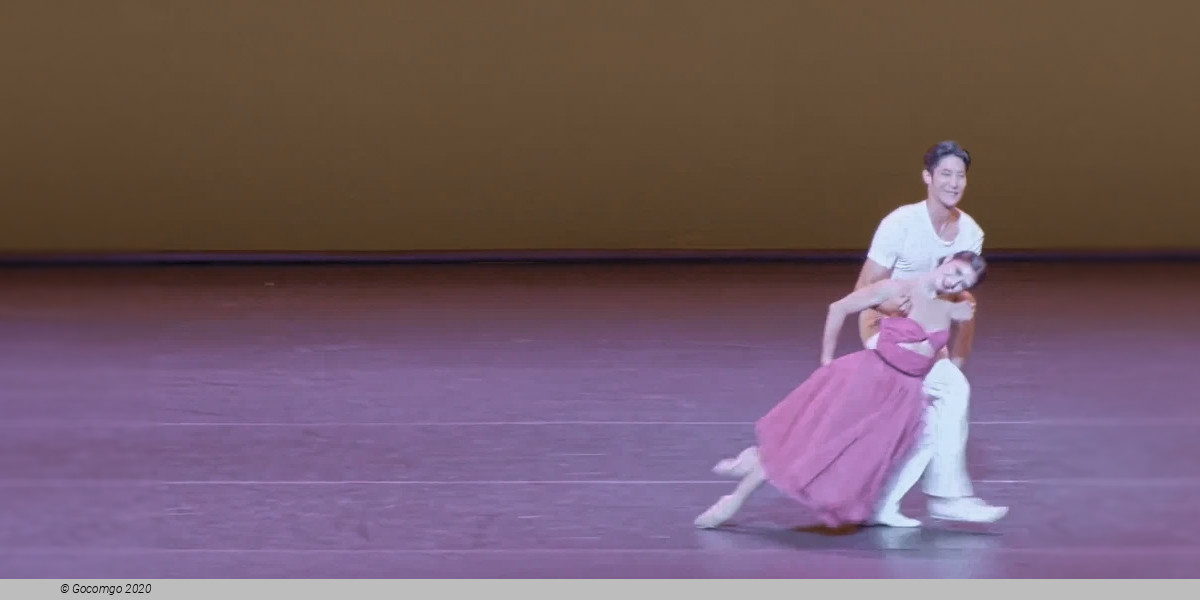
Each section of the ballet highlights different aspects of connection, joy, flirtation, nostalgia, and optimism. Duets are tender and romantic, while ensemble numbers are high-energy and celebratory. Lang seamlessly blends contemporary ballet with theatrical storytelling, allowing the dancers to express both technical brilliance and emotional warmth.
The overall tone of ZigZag is one of gratitude, creativity, and delight. It functions both as a tribute to Tony Bennett’s musical legacy and as a showcase for Lang’s ability to merge dance, music, and visual art into a cohesive, uplifting whole.
Praised for its charm, visual sparkle, and feel-good spirit, ZigZag stands out as one of Lang’s most joyous and accessible works—an explosion of color, rhythm, and pure stage fun.




 301 Mercer Street Seattle, WA 98109